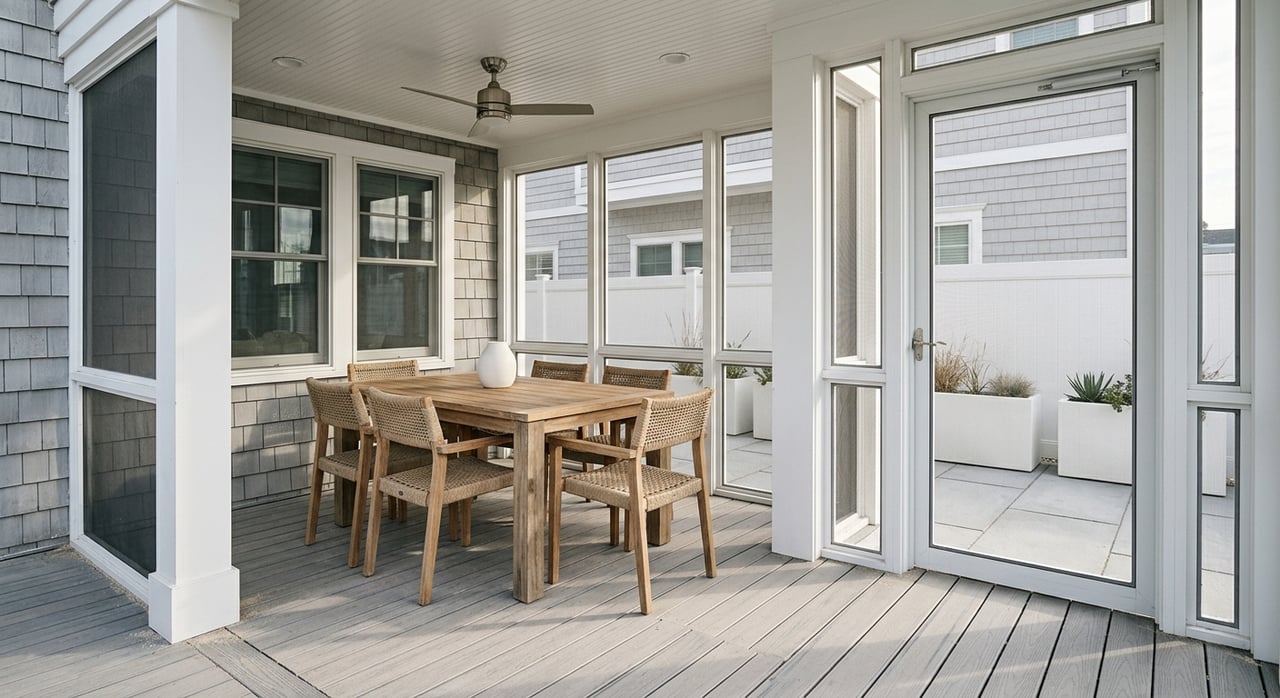
If you want your Long Beach Township home to book well, looking good is only part of the job. In this market, the homes that stand out usually pair strong presentation with smart pricing, clear guest communication, and the right local setup. If you are thinking about renting your home seasonally, this guide will show you what matters most and how to make your property more competitive. Let’s dive in.
Know the Long Beach Township Basics
Before you think about photos, pricing, or upgrades, start with the local rules. In Long Beach Township, residential units rented for less than one year are treated as a permitted vacation use, and township paperwork separates rentals of 12 months and under from rentals of more than 12 months.
Owners must file the township business and rental registration every year by April 1. That filing requires a certificate of liability insurance and a $100 insurance registration fee. The township insurance rules set minimum liability coverage at $500,000 for rental units, with a lower $300,000 minimum only for certain owner-occupied multifamily homes.
It is also important to know that the township registration is separate from the Ocean County Fire Marshal inspection process. In other words, one filing does not replace the other. If you are preparing a home for seasonal use, staying ahead of these requirements can help you avoid delays during your key booking season.
Another local point matters for marketing. Residential properties in Long Beach Township may not be used for for-profit, commercial, or business-related events. That means your rental should be positioned as a vacation home for personal stays, not as an event venue.
Understand What Guests Book Here
Long Beach Township is not a one-size-fits-all rental market. AirROI reports about 160 active Airbnb listings, and the supply is overwhelmingly made up of entire homes. Houses account for 80.6% of listings, and 100% of listings are entire home or apartment rentals.
That tells you something important right away. Guests here are generally not looking for a spare room or a simple crash pad. They are looking for private, whole-home stays that support a beach trip with family or a larger group.
The most common setup is a 3-bedroom home, and 3- and 4-bedroom homes together make up 60% of the market. Capacity also matters. Listings that sleep 8 or more guests fit the dominant demand profile, which lines up with the way many families and multi-household vacation groups travel to Long Beach Island.
Guest origins are also pretty clear. The audience is overwhelmingly domestic, with New York and New Jersey standing out as key feeder markets. If you are shaping your home and listing for likely renters, think about what makes a Northeast beach trip easier, more comfortable, and more predictable.
Plan Around a Seasonal Market
A standout rental in Long Beach Township is not built on peak summer alone, but peak summer drives the calendar. AirROI reports average annual revenue of $56,031, occupancy of 37.4%, an average daily rate of $805, and RevPAR of $336. August is usually the strongest month, while November is the slowest.
Timing matters because guests book early. The average booking lead time is about 95 days, and the average stay length is 6.2 nights. That means your home should be photo-ready, fully furnished, and live on the market before the main summer booking window starts.
There is also a wide spread between average results and top results. AirROI shows median occupancy around 28%, while the top 25% reach 41% or higher and the top 10% exceed 55%. On rate, the median is around $626 per night, while the top 25% are at $919 or more and the top 10% rise above $1,495.
That performance gap is a big clue for owners. In Long Beach Township, presentation, amenities, pricing strategy, and guest experience can meaningfully affect outcomes. Location matters, but it is not the whole story.
Start With the Must-Have Amenities
If you want strong conversion, get the basics right first. AirROI identifies the most expected amenities in this market as TV, air conditioning, Wi-Fi, free parking on premises, a kitchen, and a smoke alarm.
These are not luxury features. They are the baseline. If your home is missing one of them, guests may skip over your listing before they even look at the rest.
A few other features are popular, even if they are not universal. Washer access, a BBQ grill, and a carbon monoxide alarm all show up frequently. In a shore market where guests are managing towels, beach gear, groceries, and weeklong stays, practical convenience goes a long way.
Parking and laundry deserve special attention because they support the larger-group pattern in Long Beach Township. If your home comfortably sleeps 6 to 8 or more, your setup should make arrivals, departures, and daily routines feel simple.
Add Upgrades That Fit Your Price Tier
Once the basics are covered, the next step is selective improvement. AirROI links several amenities to stronger revenue in this market, including mini fridges and pools, with notable upside also tied to EV chargers, hot tubs, outdoor kitchens, elevators, and gyms.
That does not mean every owner should add every upgrade. It means the best improvements are the ones that match your home’s layout, target guest, and price point. A well-chosen upgrade can help your listing feel more complete and easier to justify at a higher rate.
In Long Beach Township, outdoor living also carries extra weight. Decks, rinse-off areas, and easy post-beach cleanup matter in real life, not just in photos. Township code specifically allows one outside shower unit of typical design as an accessory feature, which makes an outdoor shower a practical local amenity to consider.
Think about improvements in layers:
- First, cover the expected basics
- Next, improve comfort and convenience
- Then, add one or two memorable features that support your rate tier
That approach usually works better than overspending on flashy updates while the fundamentals still need attention.
Make Your Listing More Trustworthy
A rental listing is part marketing and part expectation-setting. In Long Beach Township, trust matters because guests are often booking a high-value summer stay well in advance.
AirROI notes that only 24.4% of listings show exact location, while clearer location disclosure and stronger photo coverage improve trust and conversion. In a beach market, people want to understand the home’s setting, sleeping arrangements, parking situation, and outdoor spaces before they commit.
That means your listing should clearly explain:
- Bedroom and bathroom count
- Sleeping setup for each room
- Parking details
- Decks, patios, and outdoor dining areas
- Laundry access
- Beach-related convenience features
- How close the home is to access points or recreation areas, when appropriate
The goal is not to oversell. The goal is to remove uncertainty. The more clearly you answer common questions upfront, the easier it is for guests to feel confident booking your home.
Use Photography as a Booking Tool
In this market, photography is not a finishing touch. It is one of the main drivers of attention and conversion. Long Beach Township listings average 29.6 photos, and AirROI reports that listings with 20 or more photos tend to perform better in search ranking and conversion.
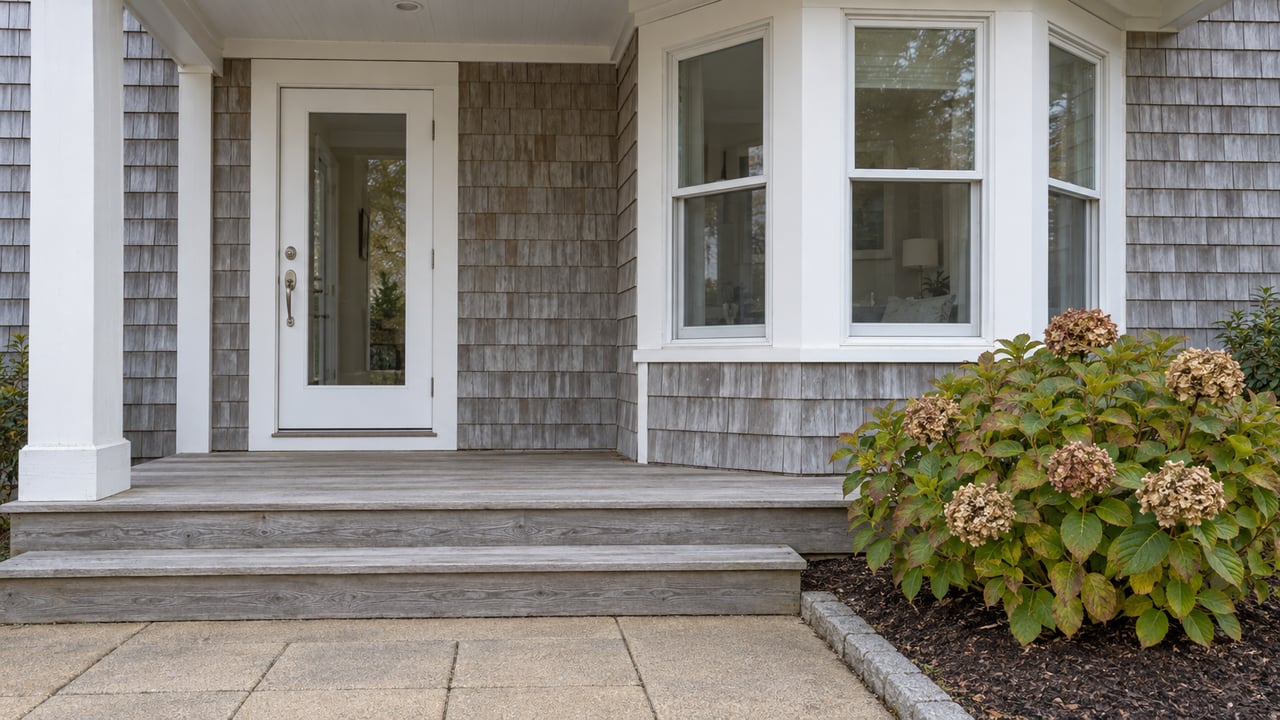
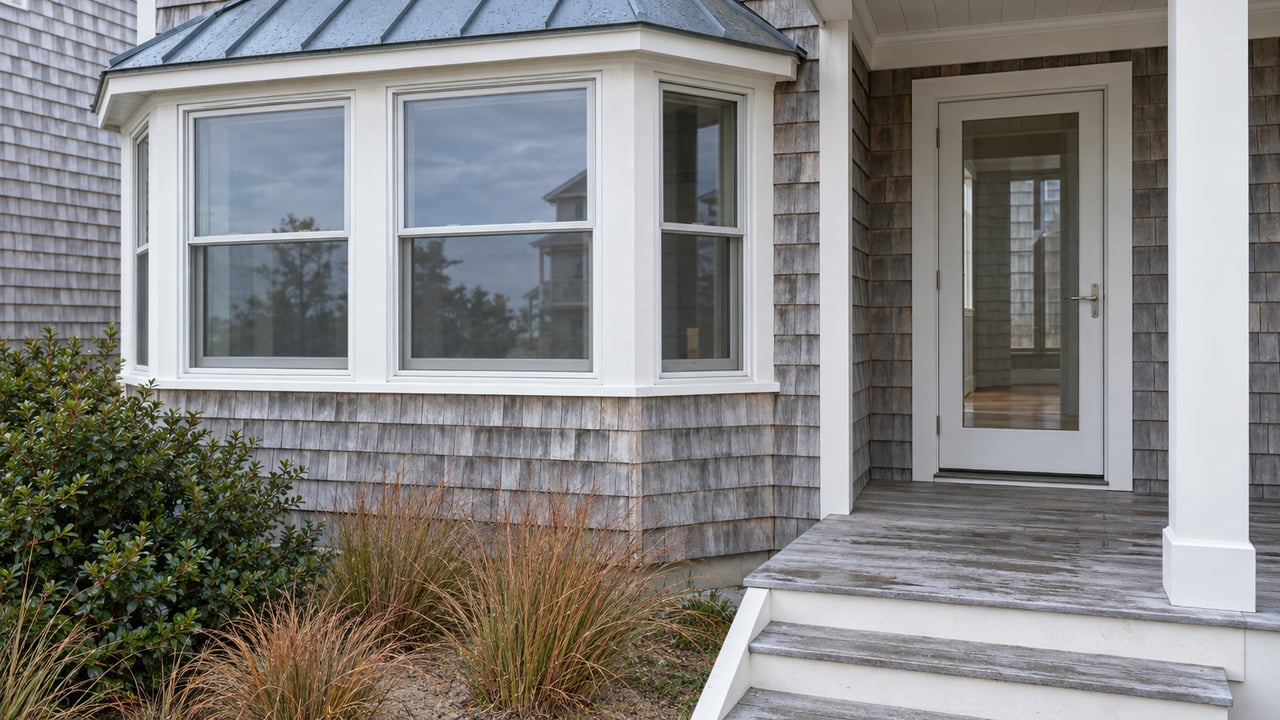
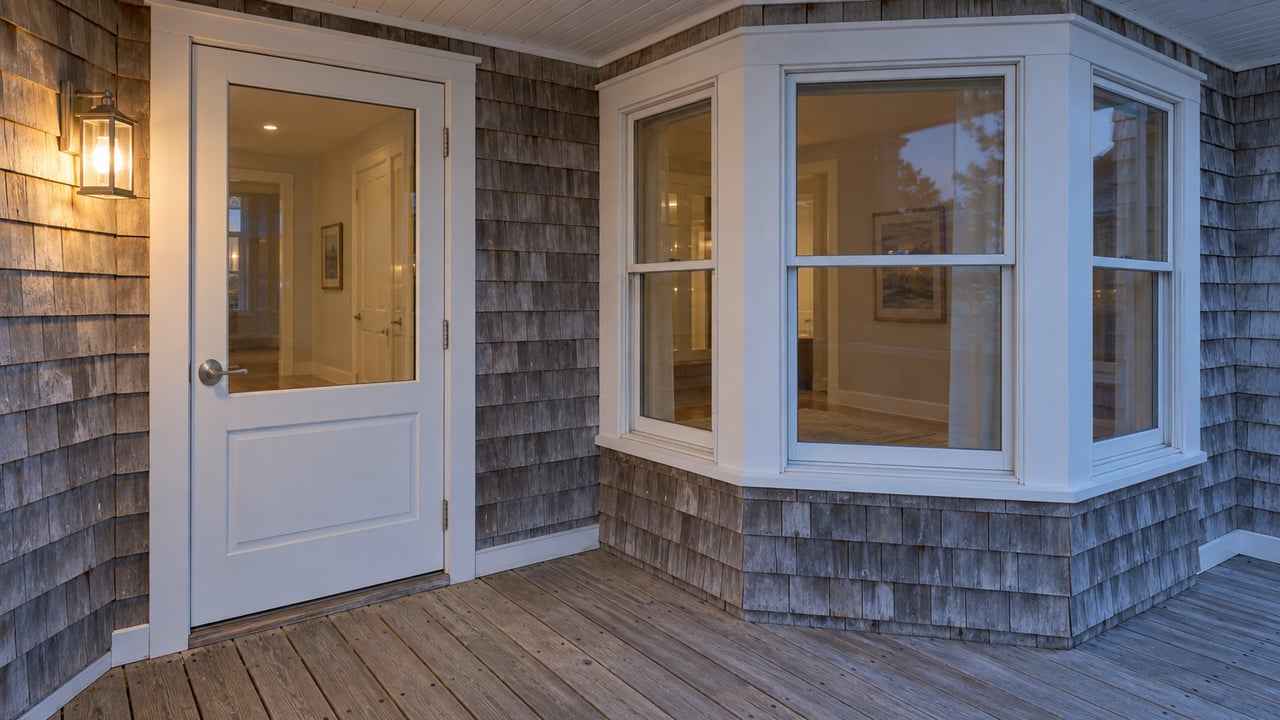
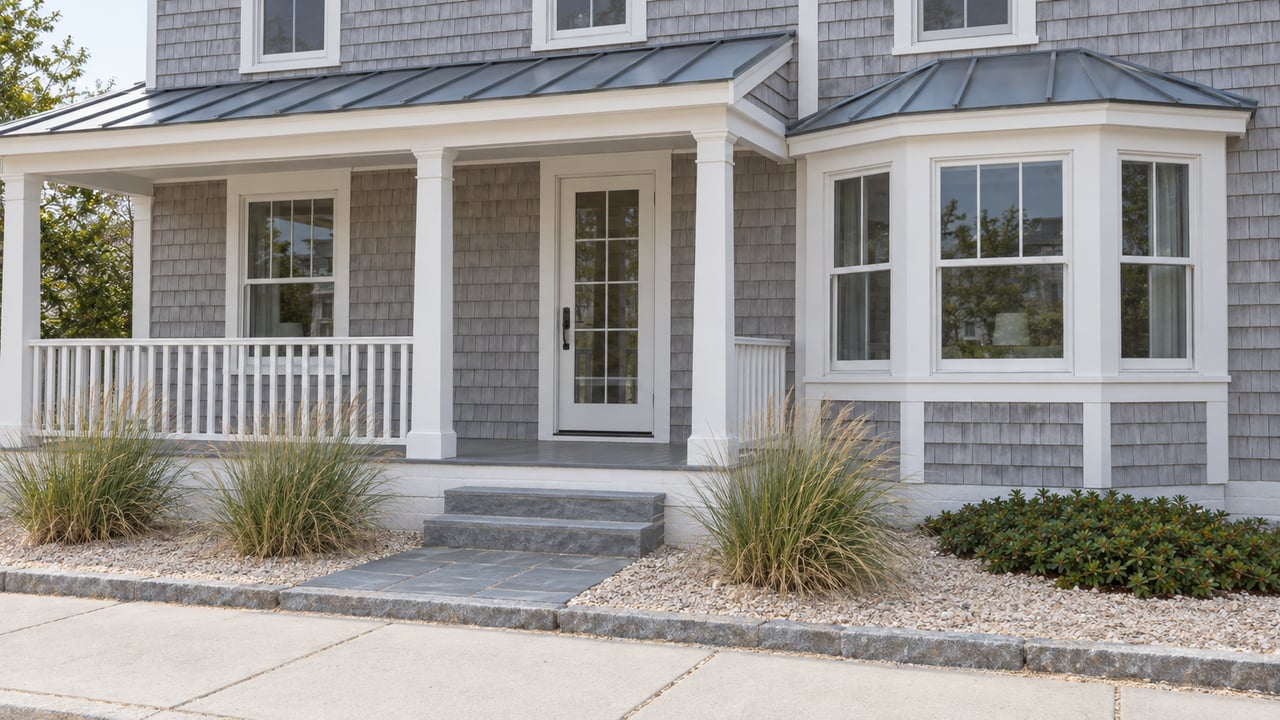
That should shape how you prepare a home for market. You do not need random filler images, but you do need a complete visual story. Guests should be able to understand the property quickly without guessing what is behind the next door.
A strong photo set should usually include:
- Front exterior
- Entry and main living spaces
- Kitchen and dining area
- Primary bedroom
- Every sleeping area
- All bathrooms
- Laundry area
- Parking setup
- Decks, porches, and outdoor seating
- Outdoor shower or rinse-off area, if present
- Beach gear storage or other convenience features, if present
If your home has a pool, elevator, outdoor kitchen, or another premium feature, those images should be easy to spot early in the gallery. The first few photos should quickly explain why your property is worth a closer look.
Improve the Guest Experience Before Arrival
Guest experience starts well before check-in day. AirROI reports an average guest rating of 4.9 out of 5, about 32.6 reviews per active listing, and a 49.4% Guest Favorite share. That tells you the bar is already high.
Check-in is the strongest subrating in the market, while Value tends to lag. For owners, that is useful. It suggests that clear instructions, responsive support, and transparent pricing can make a real difference.
Cleaning fees are also standard in Long Beach Township, with 76.3% of listings charging one. AirROI reports an average cleaning fee of $332 and a median of $200, which supports being upfront about turnover costs rather than surprising guests later.
A helpful pre-arrival guide can improve the stay and protect your reviews. In Long Beach Township, that guide should explain practical local details such as beach badges, recreation badges, shuttle timing, parking instructions, and basic home procedures.
For example, township beach badges are required for ages 12 and up from June 20 to September 7, 2026. Recreation badges for tennis and pickleball run from May 23 to September 7, and the township shuttle’s summer schedule begins June 26, 2026. If guests know these details before arrival, the trip starts more smoothly.
Price and Calendar Strategy Matter
A standout rental is not just a beautiful house. It is also a well-managed calendar. Because Long Beach Township peaks in August and guests often book about three months ahead, summer pricing and availability should be planned early.
This is where many owners leave money on the table. If rates are set too low too soon, peak demand may not be captured. If shoulder-season pricing is too rigid, you may miss bookings that could have filled open dates without affecting prime-season performance.
A balanced approach usually includes:
- Setting summer rates early
- Reviewing minimum stays based on demand patterns
- Building in realistic turnover timing
- Keeping fees transparent
- Using more flexibility in slower periods
This market rewards owners who treat pricing as an active strategy, not a one-time setup.
Why Local Help Can Move the Needle
Long Beach Township rentals involve more than posting a listing and waiting for inquiries. Compliance, pricing, seasonal timing, guest communication, and vendor coordination all affect the end result.
The township rental application also asks for a custodian or property manager contact and an emergency authorization contact. That is one reason local support matters. It can reduce friction around paperwork, access, service calls, and issue response.
Just as important, local knowledge helps with the guest-facing side. Beach badge rules, recreation timing, shuttle details, and the difference between Long Beach Township badges and nearby towns can all confuse visitors if the information is not spelled out clearly.
For owners who want better rental performance and stronger long-term value, that local guidance can be the difference between an average season and a well-executed one. If you want help positioning your Long Beach Township home for seasonal success, connect with Roberta Brackman for a local, data-driven conversation.
FAQs
What are the rental registration requirements for a Long Beach Township home?
- Owners renting a residential unit for less than one year must file the township business and rental registration annually by April 1, provide a certificate of liability insurance, and pay the $100 insurance registration fee.
What insurance is required for a Long Beach Township rental property?
- Long Beach Township requires at least $500,000 in liability coverage for rental units, with a $300,000 minimum for certain owner-occupied multifamily homes.
What amenities matter most for a Long Beach Township vacation rental?
- The key basics are TV, air conditioning, Wi-Fi, free parking on premises, a kitchen, and a smoke alarm, with laundry, grills, and easy outdoor cleanup also helping in this market.
How seasonal is the Long Beach Township rental market?
- The market is highly seasonal, with August typically the top revenue month, November the slowest month, and an average booking lead time of about 95 days.
How many photos should a Long Beach Township rental listing have?
- AirROI reports that listings with 20 or more photos tend to perform better, and the local average is 29.6 photos per listing.
What should guests know about Long Beach Township beach badges?
- Beach badges are required for ages 12 and up from June 20 to September 7, 2026, so owners should explain badge rules clearly before guests arrive.
Can a Long Beach Township rental home be marketed for events?
- No. Township rules state that residential properties may not be used for for-profit, commercial, or business-related events, so rentals should be presented as vacation homes for personal stays.