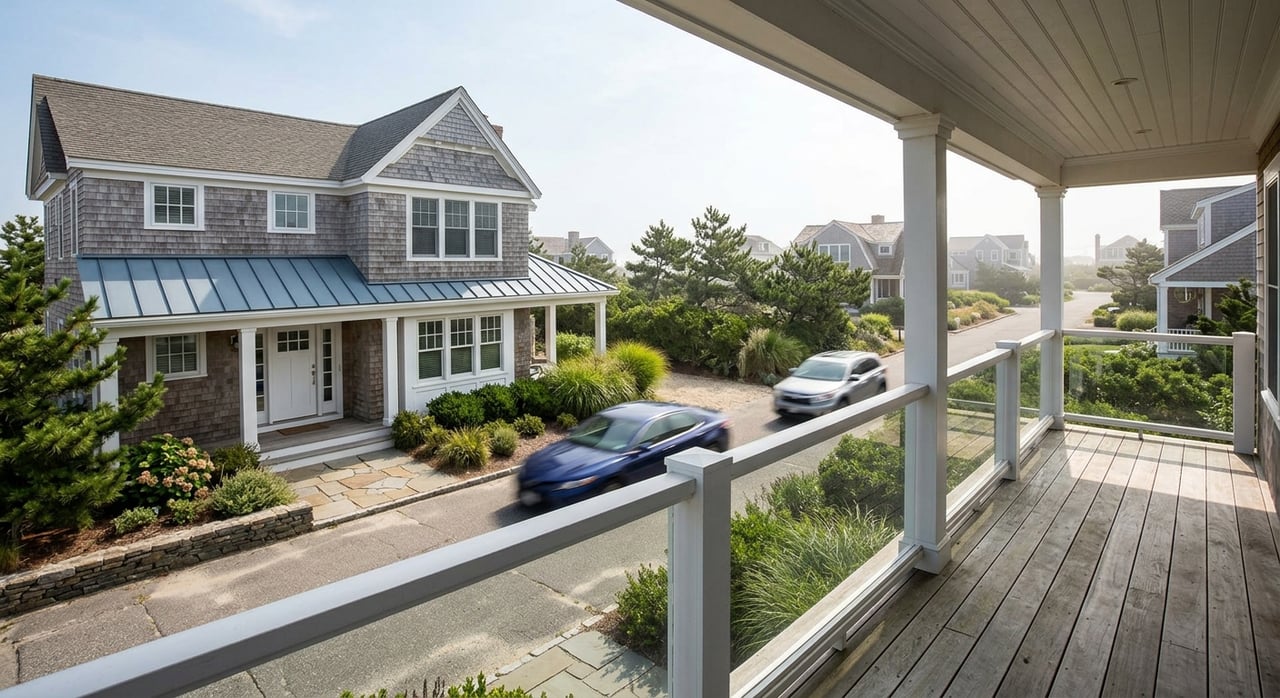
If you want easy on-and-off access to Long Beach Island, buying near the bridge in Ship Bottom can look like an obvious win. But convenience always comes with context, especially in a compact borough where the road pattern, beach access, and seasonal activity can shape your day-to-day experience. If you are weighing a home near the Route 72 corridor, this guide will help you sort through the real advantages, the likely tradeoffs, and what to pay attention to before you buy. Let’s dive in.
Why the bridge location matters
Ship Bottom is known as the gateway to Long Beach Island. The borough’s position at the island entrance gives it a different feel from locations farther down-island, and that matters when you are choosing where to buy.
Route 72 is the only motor-vehicle and pedestrian link between LBI and the mainland, and in Ship Bottom it functions locally along 8th and 9th Streets. Because Ship Bottom is only 0.71 square miles, being near the bridge is not a small detail on a map. It can have a meaningful impact on convenience, circulation, and how your block feels in season.
Main benefits of buying near the bridge
Faster mainland access
For many buyers, this is the biggest selling point. If you expect to make regular trips to the mainland for errands, work, dining, or hosting guests, being closer to the bridge can make those drives simpler and shorter.
That convenience can be especially valuable if your Ship Bottom home will be a second home or part-time retreat. In a market where many properties are used seasonally, easy arrival and departure can be a real quality-of-life advantage.
Strong everyday practicality
The bridge-end area is closely tied to Ship Bottom’s main circulation routes, including Long Beach Boulevard, Barnegat Avenue, and Central Avenue. That tends to make this part of town feel connected and functional for buyers who want a practical base on the island.
NJDOT improvements in the corridor also added pedestrian and bicycle accommodations. That reinforces the area’s role as more than just a car route and supports a lifestyle where you can move around in different ways.
Good fit for active-use owners
If you want a home that works well for frequent short stays, regular guest arrivals, or a steady rhythm of in-and-out use, the bridge area can be appealing. It often suits buyers who value efficiency and easy logistics as much as beach proximity.
This can also matter for owners thinking about seasonal use patterns, since Ship Bottom is a highly seasonal market with many second homes and part-time residents. A location that simplifies access may appeal to future buyers for the same reason.
Tradeoffs to think through
More traffic exposure
The same access that makes the bridge area attractive also creates its biggest drawback. NJDOT identified the Route 72 corridor and nearby intersections as areas affected by seasonal delays, turning conflicts, and heavy circulation demands.
In simple terms, buying near the bridge often means living closer to the island’s busiest access zone. If you are comparing it to a quieter interior street or a location farther from the causeway, the difference in traffic feel can be noticeable.
Street patterns can feel busier
Public roadway documents describe this section of Ship Bottom as an area shaped by one-way streets, turning movements, signal work, and traffic-flow improvements. That does not make it a bad location, but it does mean the setting may feel more active and more infrastructure-driven than a tucked-away beach block.
For some buyers, that is a fair trade for convenience. For others, especially those looking for a quieter setting, it may be a reason to focus farther from the corridor.
Weather-related access is still part of the picture
NJDOT’s work in Ship Bottom included drainage improvements intended to reduce frequent flooding and improve access during heavy rain and high tides. That is helpful progress, but it also tells you something important about the corridor’s history.
When you buy near the bridge, it is smart to think not only about sunny summer weekends, but also about how a location functions during rain events, peak traffic periods, and shoulder-season weather. Practical access matters year-round.
Beach access is not one-size-fits-all
A common assumption is that a bridge-area location automatically puts you closest to everything. In reality, your beach experience in Ship Bottom still depends on the exact street and whether you want ocean access, bay access, or both.
Ship Bottom’s ocean beaches run from the south end of 3rd Street to the north side of 31st Street, with multiple ramped access points. ADA-compliant access is available at 15th and 20th Streets, while vehicular beach access is limited to 3rd, 5th, 11th, 17th, and 31st Streets.
That means a home near the bridge may be excellent for island entry and exit, but not necessarily the most convenient for your preferred beach routine. If beach use is central to your decision, you will want to compare the home’s exact position against the access points you are most likely to use.
Bay-side amenities add value
Ship Bottom also offers bay beaches from 13th to 16th Streets west of Barnegat Avenue, with shallow swimming areas, lifeguards, a pavilion, and a playground. The borough also lists a municipal boat ramp, waterfront park, fishing and crabbing piers, municipal parking, playgrounds, and bay-side parks.
For some buyers, that broadens the appeal of the bridge-side area. If you value boating, crabbing, quick family outings, or flexible outdoor options beyond the ocean beach, this part of town can support that lifestyle well.
Seasonal rules shape daily life
If you are buying for summer use, you should understand how seasonal operations affect the neighborhood. In Ship Bottom, beach badges are required for ages 13 and older from the weekend of Father’s Day through Labor Day weekend.
The borough also prohibits beach vehicles on the strand from the second Saturday in May through the last Saturday in September. Beach Patrol coverage expands during the summer season, which is another reminder that the town’s rhythm changes meaningfully as peak season arrives.
For buyers near the bridge, this matters because summer patterns often bring more movement, more visitors, and more pressure on parking and circulation. A home can still be very convenient, but convenience in July may feel different than convenience in October.
Housing stock near the bridge
Mostly single-family homes
Ship Bottom is primarily a single-family market. According to the borough’s 2024 housing plan, 84.8% of housing units are single-family detached.
That gives buyers a sense of the town’s overall character. Even in a compact borough, you are largely shopping in a market shaped by detached homes rather than large-scale multifamily development.
Older homes mixed with newer rebuilds
The median year of construction in Ship Bottom is 1968, and about 53% of the housing stock was built before 1970. At the same time, the borough has seen newer rebuild activity, including 525 units built from 2000 to 2019 and 20 homes built since 2020.
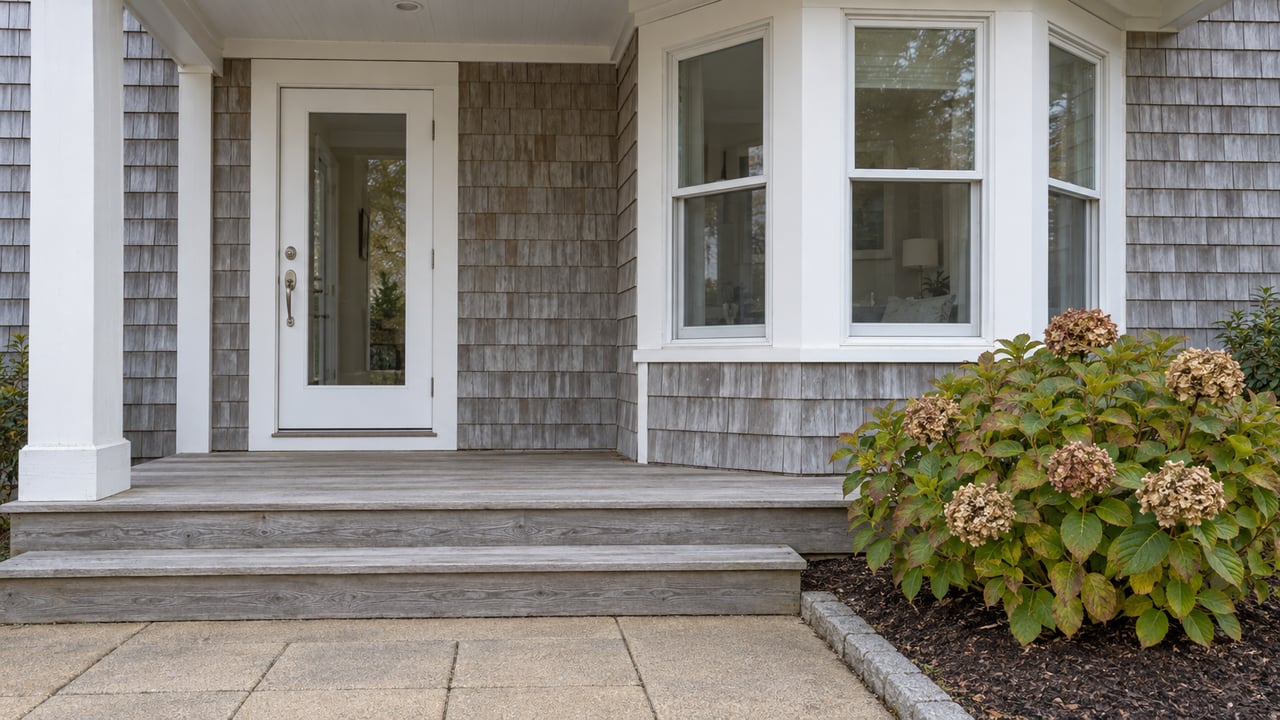
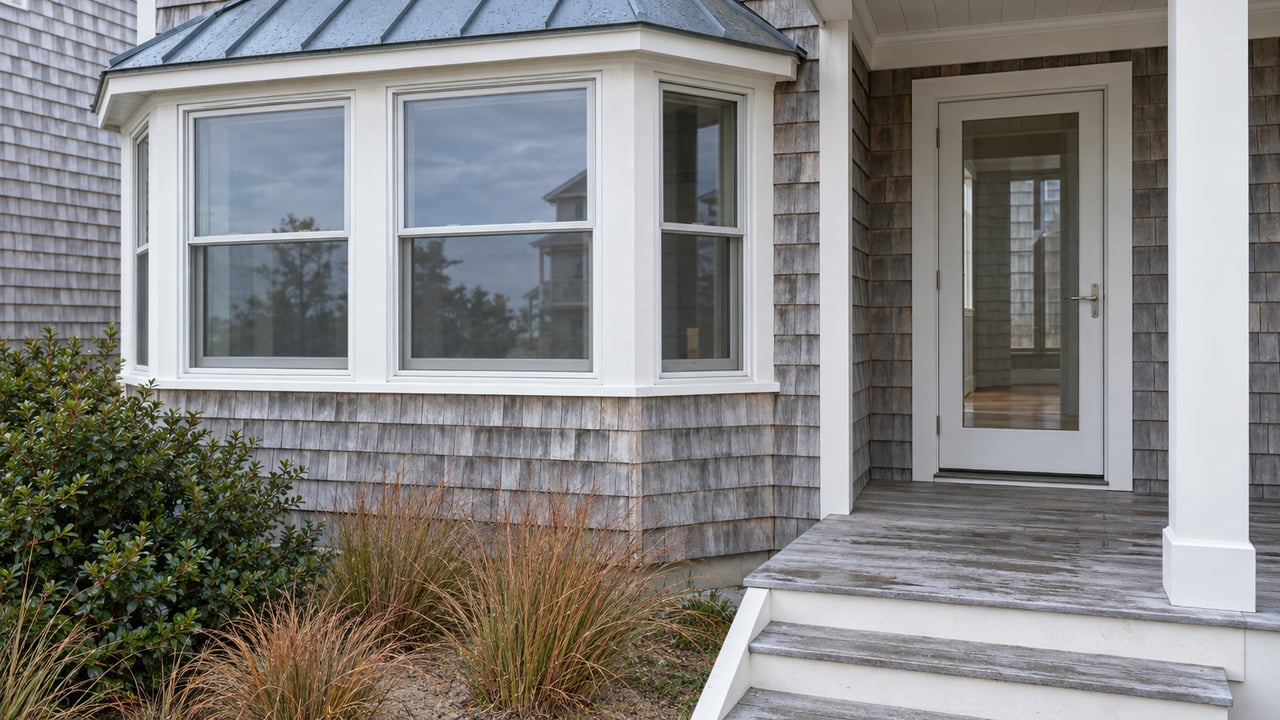
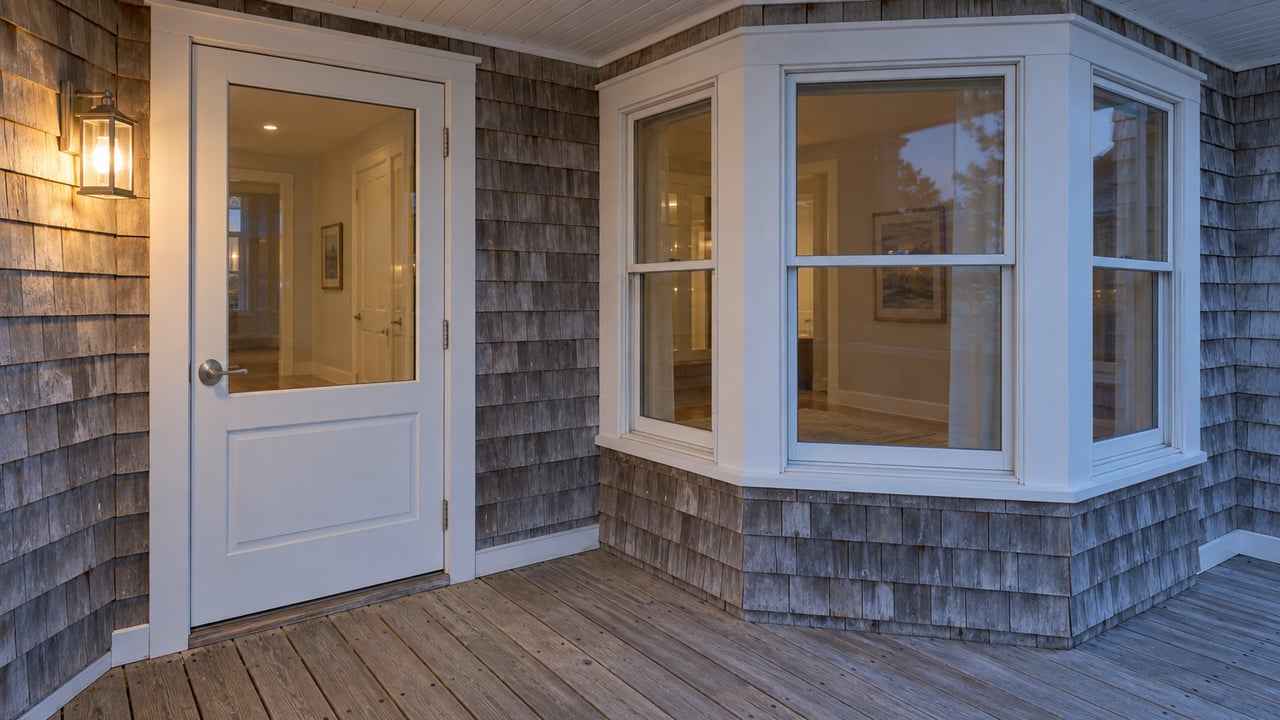
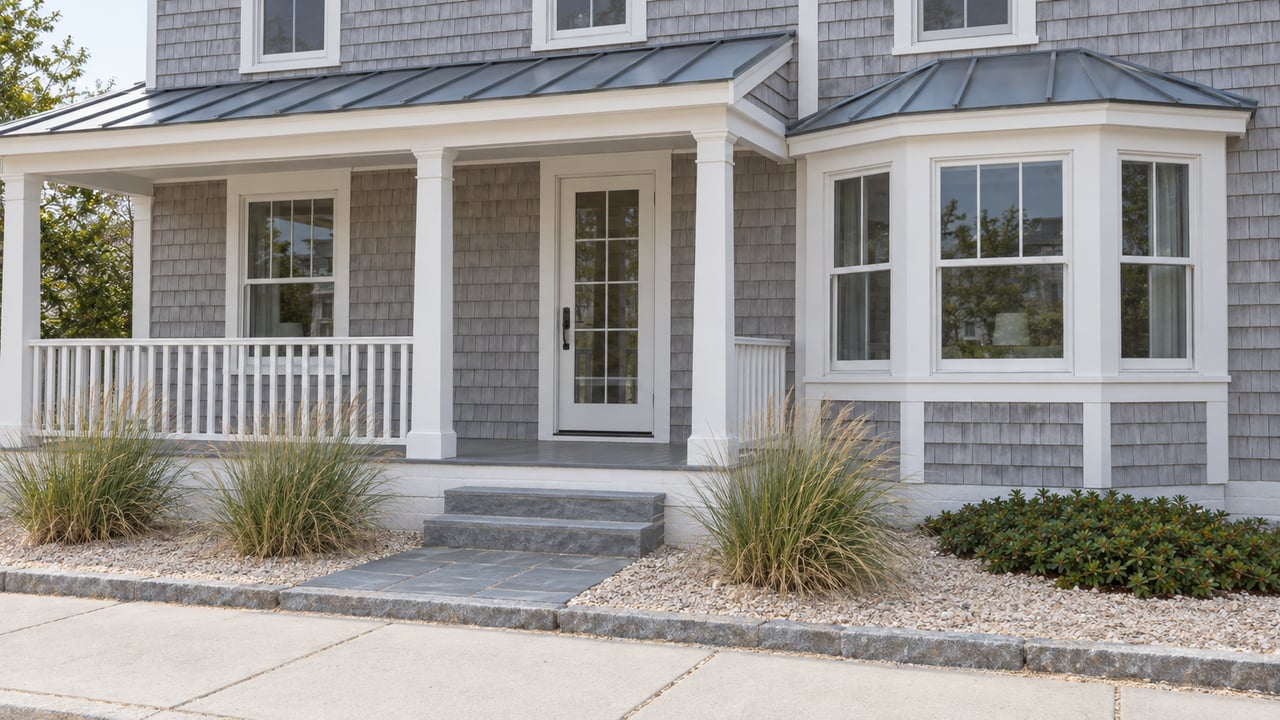
For you as a buyer, that means bridge-area inventory may include everything from older shore cottages to substantially newer replacement homes. Condition, layout, elevation, parking utility, and renovation quality can all matter as much as the address itself.
A highly seasonal ownership pattern
Ship Bottom has 500 occupied housing units and 1,674 vacant units on a year-round basis, with only 23% of housing units occupied year-round. The borough also reports that 90.8% of occupied units are owner-occupied.
That tells you this is not just a primary-home market. Many buyers are weighing lifestyle use, second-home convenience, and long-term value in a town where seasonal ownership is a major part of the local housing picture.
What this means for resale
Ship Bottom is a high-value market, with a reported median owner-occupied home value of $850,900. The borough also notes that nearly 40% of owner-occupied homes fall between $750,000 and $999,999, and more than half of owner-occupied units had no mortgage.
In that kind of market, buyers tend to pay close attention to usability and condition. Near the bridge, resale appeal may be strongest for homes that clearly deliver convenience, strong upkeep, and a layout that supports how people actually use an LBI property.
The borough expects most future growth to come from teardowns and rebuilds rather than major new subdivisions because Ship Bottom is essentially built out. That makes location choices even more meaningful over time.
Who may prefer this location
A bridge-adjacent home may be a strong fit if you:
- Want fast access to and from the mainland
- Expect frequent guest arrivals
- Value practical logistics for weekend or seasonal use
- Appreciate nearby bay-side recreation and municipal amenities
- See convenience as a major part of long-term value
Who may want to look farther away
You may want to compare deeper or more eastward locations if you:
- Prefer less direct exposure to through-traffic
- Want a quieter street feel
- Prioritize a more removed beach-block setting
- Care more about block-by-block beach routine than mainland access
How to evaluate a specific home near the bridge
If you are seriously considering this part of Ship Bottom, focus on the micro-location rather than the general label. Two homes that are both described as being “near the bridge” can offer very different day-to-day experiences.
As you evaluate a property, pay attention to:
- Exact street position relative to Route 72, 8th Street, and 9th Street
- Ease of turning in and out during peak season
- Distance to your preferred ocean or bay access points
- Parking setup and overall lot utility
- Whether the home is older, updated, or a newer rebuild
- How the property supports your intended use as a primary, second, or seasonal home
That kind of detailed review is where local market knowledge becomes especially important. In a compact and built-out borough like Ship Bottom, small location differences can have a big impact.
The bottom line is simple: buying near the bridge in Ship Bottom gives you some of the best mainland access on Long Beach Island, but it also places you closer to the borough’s busiest circulation zone. The right choice depends on how you plan to use the home, what kind of daily rhythm you want, and how you balance convenience against traffic exposure. If you want help comparing bridge-area homes with other parts of Ship Bottom, Roberta Brackman can help you evaluate the tradeoffs with a practical, local perspective.
FAQs
Is buying near the bridge in Ship Bottom good for second-home owners?
- It can be a strong fit if you value quick access on and off Long Beach Island, especially for weekend trips, guest visits, and frequent mainland errands.
Does living near the bridge in Ship Bottom mean more traffic?
- Often, yes. The Route 72 corridor is the island’s main access route, and NJDOT has identified the area as one affected by seasonal delays and heavier traffic movement.
Are bridge-area homes in Ship Bottom closest to the beach?
- Not always. Beach access depends on the exact street, and Ship Bottom’s ocean and bay access points are spread across the borough.
What kind of homes are common in Ship Bottom?
- Ship Bottom is mostly a single-family market, with many older homes alongside newer rebuilds and replacement properties.
Does the bridge location affect resale in Ship Bottom?
- It can. Convenience may appeal to many buyers, while others may prefer locations with less through-traffic, so condition, usability, and exact placement all matter.