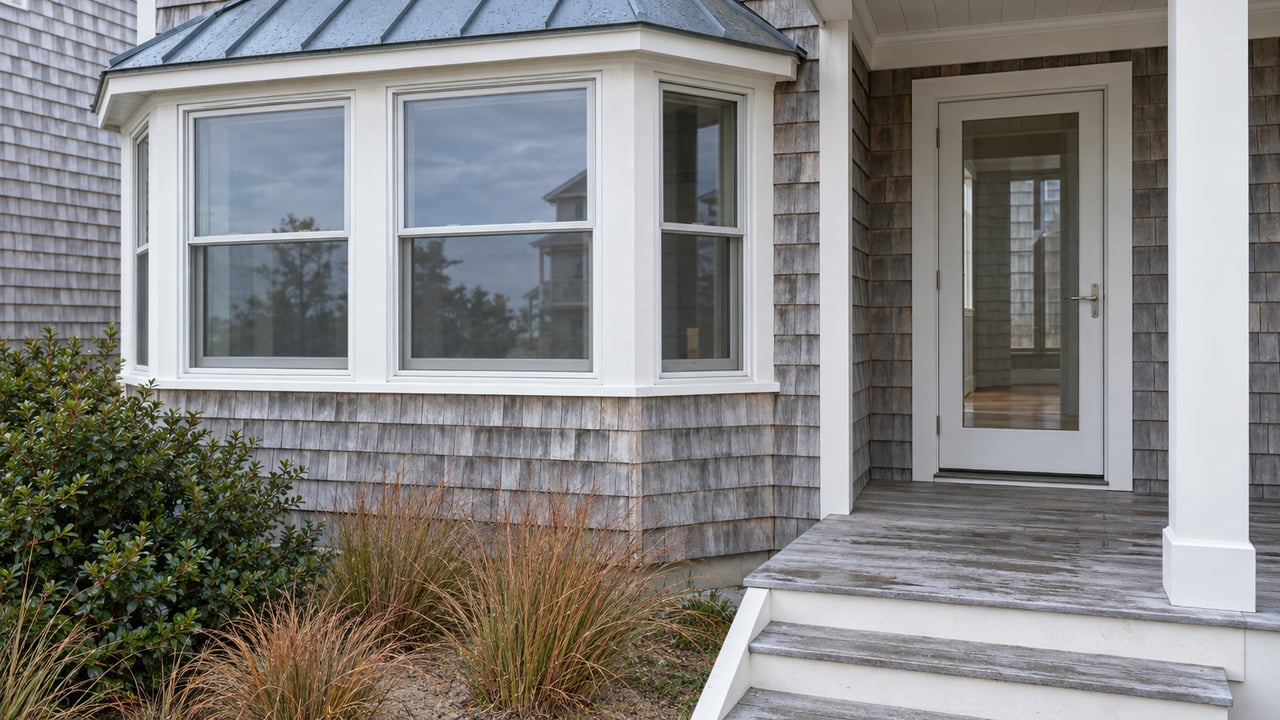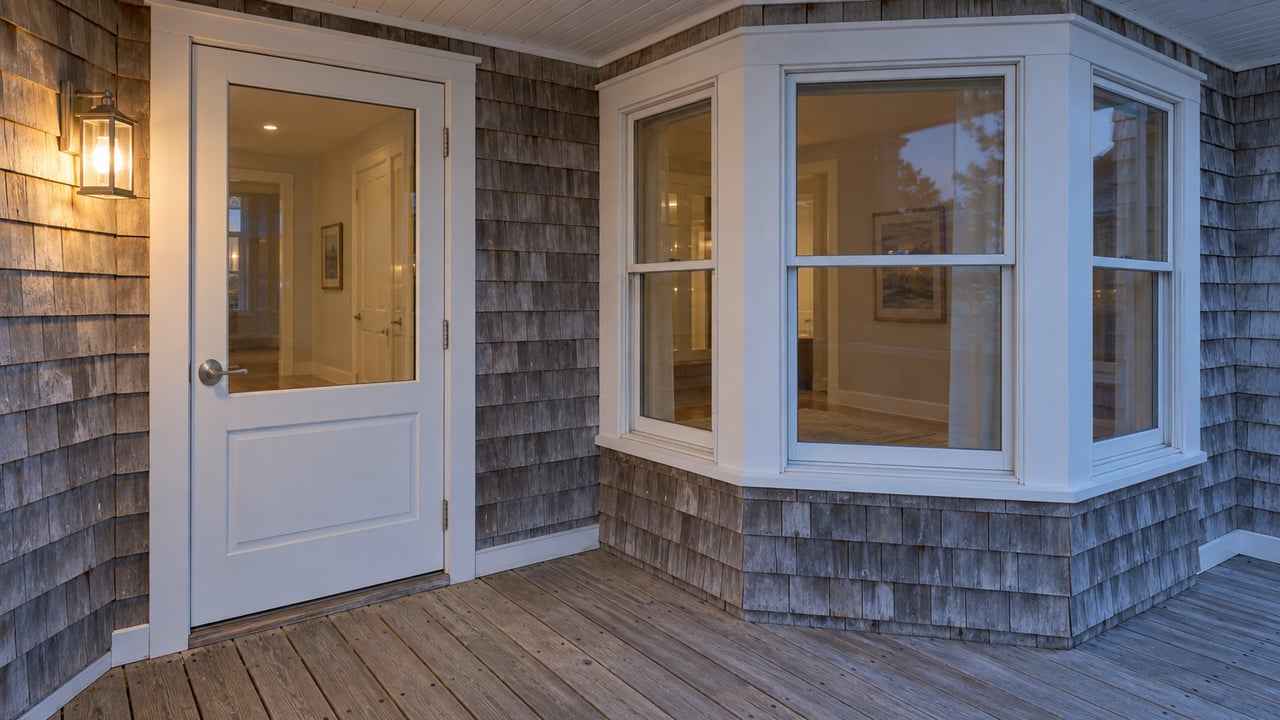
Are you dreaming of a shore place on Long Beach Island but torn between a Beach Haven condo and a single‑family house? You are not alone. Many second‑home buyers weigh convenience, costs, rental options, and long‑term maintenance before choosing. In this guide, you will learn the key differences, what to budget for, how rules and insurance work near the coast, and how to match each option to your lifestyle. Let’s dive in.
Beach Haven at a glance
Beach Haven is a small, highly seasonal borough on LBI. The year‑round population is modest, and summer brings a large influx of visitors and rental demand. According to the U.S. Census Bureau, the local population is around 1,100 to 1,200 residents, with market activity peaking in late spring and summer.
Beach Haven’s coastal setting shapes your decision. Properties sit in or near FEMA‑mapped flood zones, which influences build elevations, insurance, and renovation choices. You should review the FEMA Flood Map Service Center for a property’s current flood zone and elevation context before you buy.
What drives total cost
Costs differ in several ways between condos and single‑family homes. You will want to look beyond the list price and consider taxes, insurance, dues, maintenance, and reserves.
Purchase price and property taxes
- Single‑family homes on LBI often command a premium for lot size, parking, private outdoor space, and potential views. Condos usually have a lower entry price but more shared spaces.
- New Jersey has relatively high property taxes compared with many states. Assessed values vary by property and location, so review the specific tax history for each listing.
HOA dues vs. owner maintenance
- Condos: Monthly or quarterly association dues fund services such as exterior upkeep, common utilities, amenity care, and reserves. Dues vary based on services and amenities.
- Single‑family: No condo dues, but you pay directly for roof, siding, decks, landscaping, snow removal, and repairs. You control vendors and timing, but you also carry the full cost.
Insurance in a coastal market
- Condos: You typically need an HO‑6 policy for your unit’s interior, contents, and liability. The association carries a master policy for the building and common areas, but coverage and deductibles vary. Flood insurance is separate if the property is in a flood zone.
- Single‑family: You will carry a standard homeowners policy plus flood insurance if required. Coastal policies can have higher premiums or wind deductibles.
- For flood coverage details and comparisons, review the National Flood Insurance Program guidance and consult your insurance advisor for current quotes.
Utilities, reserves, and special assessments
- Condos: Some dues include water, sewer, trash, exterior lighting, and even heat or hot water in certain buildings. A well‑funded reserve reduces the risk of special assessments for big projects like roofs or siding. Always review the budget, reserve study, and recent meeting minutes.
- Single‑family: You pay utilities directly and handle capital projects as they come. It is smart to set aside an annual maintenance reserve for coastal wear and tear.
Maintenance and services: who handles what
Understanding who does what helps you forecast both your time commitment and your budget.
Typical condo coverage
Condo and HOA coverage can differ by association, but common inclusions often are:
- Exterior building maintenance such as roof, siding, and painting
- Grounds care and landscaping for common areas
- Snow removal of shared driveways or parking
- Trash and recycling services for common areas
- Some shared utilities such as water or sewer, sometimes heat or hot water
- Pool, elevator, and amenity upkeep where applicable
- Master insurance on the building and common areas
- Management, administration, and reserve contributions
Single‑family owner tasks
If you want full control and privacy, a house offers it, but with more to manage:
- Roof, siding, decks, driveways, fencing, and exterior paint
- Private landscaping and snow removal
- Individual homeowners and flood insurance
- Bulkhead, dune, or seawall responsibilities when applicable
- Septic or shared systems where present, or confirmation of municipal utilities
- Setup and management if you rent the home seasonally
Gray areas to clarify
Some items are not one‑size‑fits‑all. Ask for specifics:
- Flood insurance obligations and deductible allocation in a condo association
- Responsibility for seawalls, bulkheads, or dune maintenance
- Short‑term rental enforcement, local licensing, and inspection rules
Rental flexibility and investment considerations
Many buyers plan some rental income to offset costs. In Beach Haven, rules and demand are seasonal. Make sure the property type you choose matches your plan.
HOA rental limits
Many condo associations set minimum lease terms, cap how many units can rent at once, limit weekly rentals, or require owner occupancy periods. Rules are enforced through bylaws and fines. Ask for bylaws, rules and regulations, and any rental policy addenda before you make an offer.
Borough rules, registration, and taxes
Municipalities often require rental registration, inspections, basic safety features, and compliance with trash and parking rules. Short‑term rentals may be subject to New Jersey sales or transient occupancy taxes. Confirm current requirements with the borough and the State of New Jersey before you advertise or accept bookings.
Demand and management costs
Peak rental demand runs from Memorial Day to Labor Day. Off‑season stays and rates drop, so plan your revenue and expenses with seasonality in mind. Single‑family homes may command higher rent due to more bedrooms, private amenities, and off‑street parking, but they also cost more to set up and maintain. If you use a rental management company, factor fees into your net return.
Lifestyle tradeoffs that matter
Your day‑to‑day experience should guide the decision as much as the numbers.
Privacy and outdoor space
- Single‑family: More privacy, your own yard or deck, and control over outdoor living. Good if you host often or want room for beach gear.
- Condo: Lower maintenance and shared amenities. Great if you want a lock‑and‑leave place with on‑site features like a pool or elevator.
Access, mobility, and future use
- If you prefer one‑level living or elevator access, certain condo buildings may fit aging‑in‑place better.
- Houses can have multiple levels and more steps, especially if elevated for flood compliance. Check floor plans and elevation for mobility needs.
Resale considerations
On LBI, resale strength depends on location, modernization, walkability, and rental potential. Houses often capture a broader buyer pool, but well‑located, updated condos with clear rental rules can resell well too. Ask your agent for recent comparable sales for both property types.
A practical decision checklist
Use this checklist before you write an offer.
For condos
- Request HOA bylaws, rules, pet policies, and rental restrictions
- Review the master insurance declarations and understand deductibles
- Ask for the current budget, reserve study, recent meeting minutes, and any planned capital projects
- Confirm parking allocation, storage, and what utilities are included in dues
- Check delinquency rates and recent special assessments
For single‑family homes
- Review the elevation certificate and confirm the FEMA flood zone at the Flood Map Service Center
- Verify bulkhead, dune, or seawall responsibilities and permit history if applicable
- Confirm sewer vs. septic and the status of municipal utilities
- Ask for contractor estimates for roof, siding, decking, HVAC, and exterior maintenance
- Confirm driveway and parking capacity and any town rules
For both property types
- Confirm municipal short‑term rental registration, inspection, and tax requirements
- Review property tax history and recent comparable sales
- Get current insurance quotes for homeowners and flood coverage; use NFIP guidance to understand policy options
- Ask sellers or agents for average annual maintenance and any pending municipal projects nearby
How to compare two real listings
When you have a condo and a house in your short list, run them through the same framework for a fair, apples‑to‑apples look:
- Estimate annual carrying cost
- Add mortgage payments, property taxes, homeowners or HO‑6 policy, and flood insurance if required.
- Include HOA dues for the condo, or a maintenance reserve for the house.
- List included services
- For the condo, note exterior upkeep, utilities, amenities, and management.
- For the house, list typical services you will arrange and their costs.
- Review risk and reserves
- For the condo, examine the reserve study, large projects due, and assessment history.
- For the house, price near‑term capital items like roof, siding, decks, and bulkhead if applicable.
- Model rental potential
- Compare each property’s allowed lease terms with your plan. If you aim for weekly rentals in summer, verify the condo allows it and that borough requirements are met.
- Estimate gross rents by season, then subtract management fees, cleaning, utilities, and supplies to reach a net number.
- Confirm flood status
- Pull the FEMA map panel and the elevation certificate. A higher elevation or favorable flood zone can influence insurance and long‑term resiliency.
Which buyers tend to prefer each option
- Choose a condo if you want turn‑key convenience, shared amenities, and a simpler maintenance plan. This can work well if you visit on weekends, prefer accessible living, or want a property that is easy to monitor when you are away.
- Choose a single‑family home if you value privacy, outdoor space, and control over projects. This suits buyers who plan longer stays, host family often, or want to maximize rental capacity.
Work with a local advisor
Every Beach Haven building and block is different. Flood maps, association rules, and maintenance plans vary, and so do rental rules and enforcement. A local specialist can help you source the right documents, validate insurance and tax assumptions, and compare rental potential in a realistic, seasonal way.
If you are weighing a Beach Haven condo against a single‑family home, let a trusted local advisor guide your short list, walk you through HOA and flood documents, and model your carrying costs and rental plan. For personal advice and a clear next step, connect with Roberta Brackman.
FAQs
What are the biggest cost differences between a Beach Haven condo and a house?
- Condos have HOA dues that may include some utilities and exterior upkeep, while houses avoid dues but require you to budget for all maintenance, insurance, and capital projects directly.
How do I check if a Beach Haven property is in a FEMA flood zone?
- Use the FEMA Flood Map Service Center and review the property’s elevation certificate to understand risk and potential insurance needs.
What condo documents should I review before buying in Beach Haven?
- Ask for bylaws, rules, rental policies, the master insurance declarations, current budget, reserve study, meeting minutes, and a history of special assessments.
Can I do weekly rentals in a Beach Haven condo?
- It depends on the association’s bylaws and borough rules; many associations restrict short‑term rentals, so confirm minimum lease terms and any caps before you buy.
What insurance do I need for a condo vs. a single‑family home near the coast?
- Condo owners typically carry HO‑6 plus flood if required, while single‑family owners carry a standard homeowners policy plus flood; review NFIP guidance and get quotes for each property.