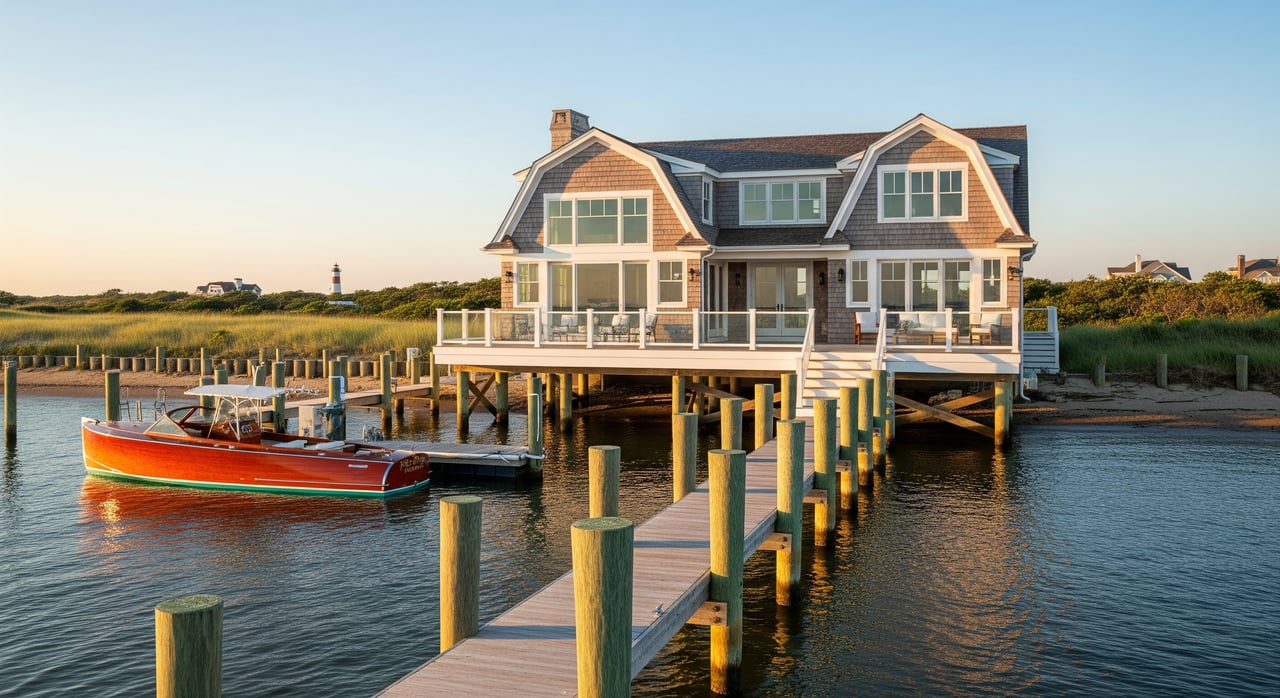
Why does one Barnegat Light waterfront home sell for far more than a similar-looking neighbor? If you have ever compared listings along the ocean, bay, or canals on Long Beach Island, you know the numbers can swing widely. You want clarity before you buy, sell, or renovate. In this guide, you will learn the specific value drivers that push premiums higher in Barnegat Light, how to measure them, and a simple framework to price a property with confidence. Let’s dive in.
Know Barnegat Light waterfront types
Barnegat Light sits at the northern tip of Long Beach Island with the Atlantic Ocean to the east and Barnegat Bay and canals to the west. Waterfront is not one-size-fits-all, and each type attracts different buyers.
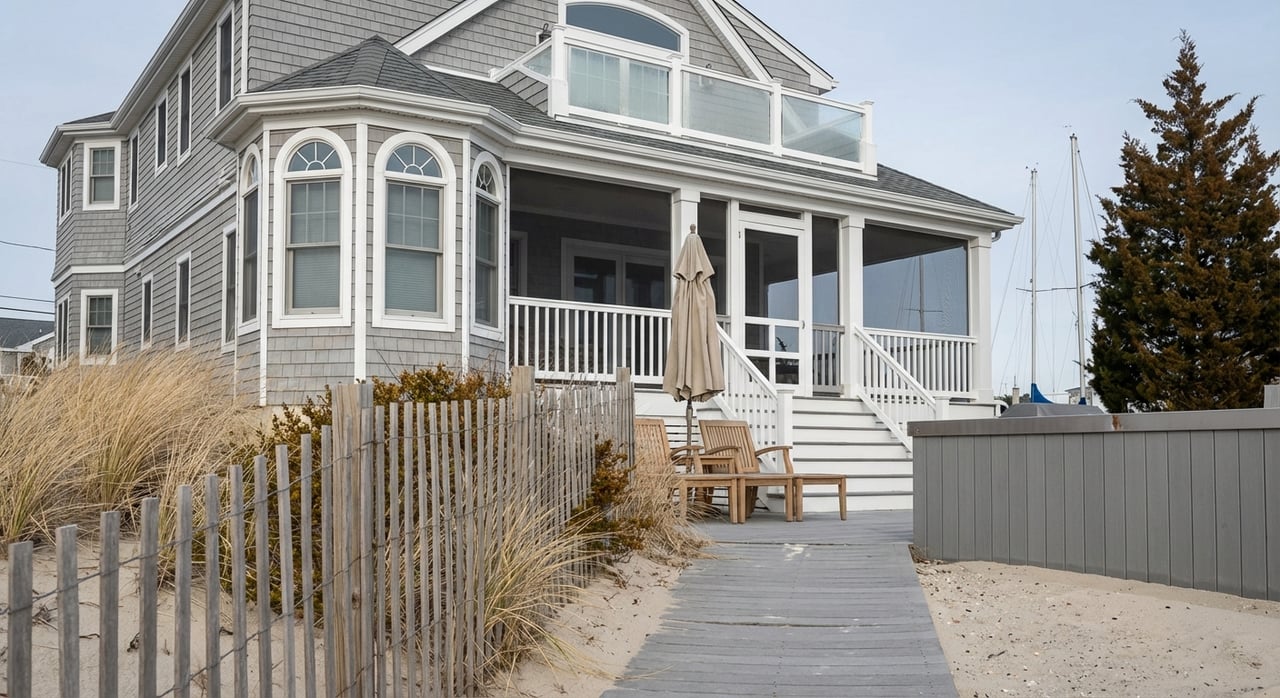
- Oceanfront: Direct Atlantic exposure with surf, wide horizons, and beach access. These homes face more wave energy and beach dynamics.
- Bayfront and canal-front: Calmer water, strong appeal for boating and sunsets. Navigation depth and tidal range matter.
- Inlet-facing: Near Barnegat Inlet with strong currents, active boating views, and ocean access considerations.
- Marsh-edge or near-lagoon: Scenic habitat and tidal influence, with potential limits on direct water access.
Understanding the type and its typical buyer helps you set expectations for pricing and demand.
Top value drivers you can measure
Views and orientation
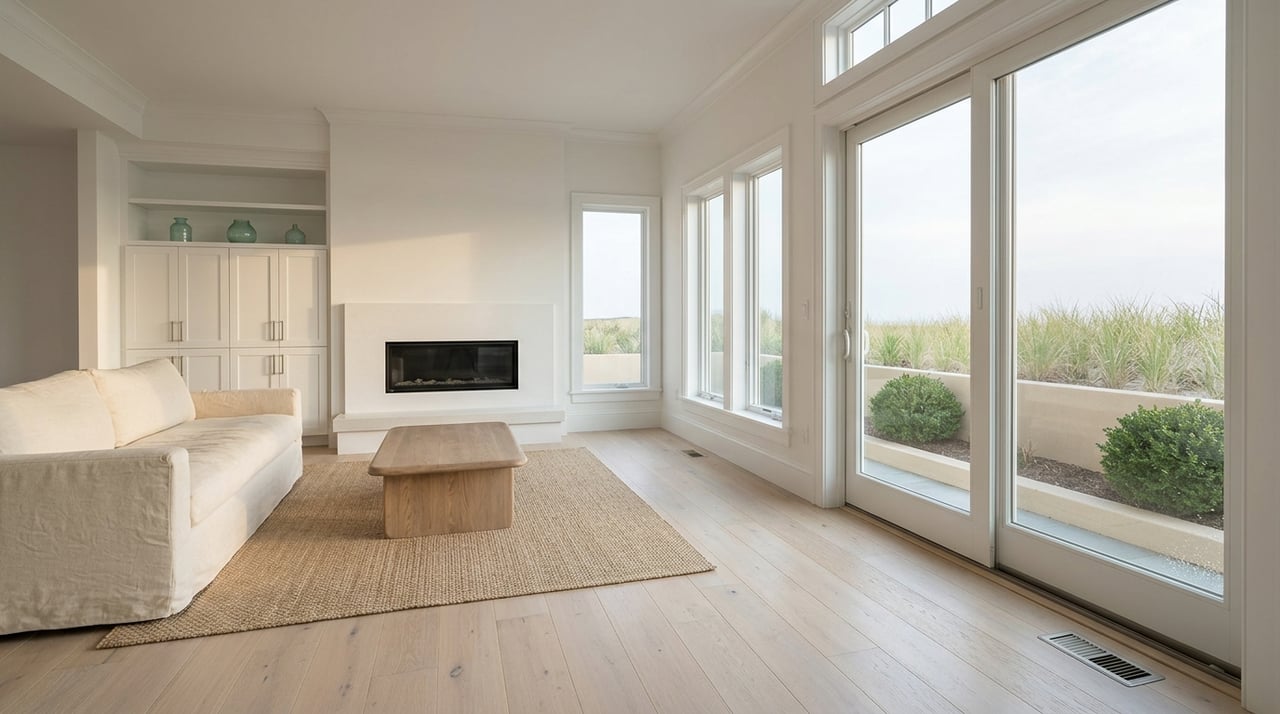
Unobstructed water views are one of the biggest emotional and financial premiums. Buyers pay for horizon lines, sunrise or sunset exposure, and perceived privacy.
How to assess:
- Stand in key rooms and on decks to gauge the view angle and any obstructions such as dunes, homes, vegetation, or roads.
- Note seasonal changes. Foliage or seasonal beach structures may affect what you see in summer vs winter.
- Consider orientation. East-facing oceanfront offers surf and sunrise. West-facing bayfront highlights sunsets and boating activity.
Local tip: In a town of narrow lots, a small change in sightlines can create a big value gap.
Boat access, dockage, and depth
For buyers who boat, direct dock access is a major convenience and a clear premium. The details matter.
How to assess:
- Confirm a private dock or deeded slip and whether the property has riparian rights. Review condition and permits.
- Check depth at mean low water and any fixed bridge clearances on canals.
- Measure time and distance to open water and Barnegat Inlet. Closer can be better if the depth and currents are favorable.
Local tip: Proximity to the inlet is a plus for ocean access, but fast-moving water and tidal changes deserve careful review.
Lot width and buildable area
The buildable envelope often dictates both home design and future potential. Wider lots can support larger homes, better room layouts, and more privacy.
How to assess:
- Confirm lot width at the building line, lot depth, and setbacks under local zoning.
- Identify easements, dunes, wetlands, or other physical constraints.
- Estimate how orientation and width affect where you can place living spaces and decks for optimal light and views.
Local tip: Slight differences in frontage on Long Beach Island can lead to outsized changes in design options and resale value.
Dunes, elevation, and resiliency
Elevation and dune protection reduce flood risk and can lower carrying costs. Buyers value properties that are better protected and easier to insure.
How to assess:
- Review the finished floor elevation against the Base Flood Elevation (BFE). An elevation certificate provides this.
- Note dune position, width, vegetation, and any protective structures.
- Consider feasibility of elevated construction and what it means for views and access.
Local tip: Municipal dune systems and ongoing beach nourishment programs are common on LBI. These programs can support values, and they evolve over time.
Renovation potential and permits
Homes that can be enlarged, elevated, or reconfigured within local rules are more flexible and often more valuable.
How to assess:
- Evaluate the current structure’s condition and suitability for elevation.
- Confirm off-street parking and the feasibility of adding decks, garages, or another floor.
- Understand permitting needs for coastal work and local building codes, including elevation and flood vent requirements.
Local tip: Coastal permitting adds time and cost compared with inland projects. Factor this into your timeline and budget.
Insurance, flood risk, and operating costs
Carrying costs influence buyer willingness to pay. Insurance availability and premiums are important, especially in higher-risk zones.
How to assess:
- Check the FEMA flood zone (AE, VE, or X) and review the elevation certificate.
- Ask for recent insurance quotes and any history of claims.
- Identify potential municipal assessments for coastal projects and recurring maintenance such as bulkhead repair.
Local tip: Changes in flood mapping and insurer underwriting can shift demand and pricing quickly. Elevation and mitigation steps can help.
Shoreline protections and condition
Bulkheads, docks, seawalls, and riprap protect access and structures. Their condition can add to value or create an immediate cost to cure.
How to assess:
- Document age, material, and visible condition of bulkheads and docks. Look for movement, settlement, or corrosion.
- Confirm permits for existing shoreline structures and any past repairs.
- Consider how neighboring properties’ protections tie into yours.
Local tip: Replacement or repair can be expensive and time consuming. Buyers discount for failing or uncertain shoreline infrastructure.
Market and neighborhood factors
Barnegat Light’s amenities, access, and services contribute to overall demand.
How to assess:
- Note proximity to the commercial core, the lighthouse, restaurants, and public beach access points.
- Understand local rules for short-term rentals and any registration requirements.
- Confirm on-street and off-street parking options.
Local tip: Convenience to loved local spots and services can tip the scales when homes have similar water access and views.
A simple pricing framework that works
Use this step-by-step approach to frame value and communicate it clearly.
Step A: Choose a base comparable
- Pick recent nearby sales of the same waterfront type such as oceanfront vs bayfront or canal.
- Favor comps on the same block or with similar orientation when possible.
Step B: Adjust for key differences
- Views: Unobstructed water vs partial vs intermittent views.
- Access: Private dock or slip vs shared marina vs no dock.
- Buildable area: Wider and deeper lots with larger envelopes are a premium.
- Flood and elevation: Homes below recommended freeboard or in VE zones often warrant a discount.
- Shoreline condition: Deduct estimated costs to repair bulkheads or docks.
- Renovation potential: Adjust for the cost to elevate or modernize mechanicals and structure.
- Permitting risk: Where approvals are uncertain, factor in a risk discount or longer marketing time.
Step C: Quantify carrying costs and risk
- Estimate annual flood insurance and likely maintenance like bulkheads or exterior finishes.
- Scan for municipal assessments related to dunes or nourishment projects.
- Consider lender and insurance constraints that could affect financing.
Step D: Present a value range
- Offer a value range to reflect coastal risk and permitting variables.
- When helpful, show two cases: market value assuming no major mitigation vs value after accounting for immediate repairs or permitting costs.
Definitions to keep everyone aligned:
- Base Flood Elevation (BFE): The height that floodwaters are anticipated to reach during a base flood. You compare your finished floor to this benchmark.
- Bulkhead: A retaining wall along the shoreline that prevents erosion and supports docks or upland structures.
- Riparian rights: The rights attached to waterfront ownership that can include access and the ability to build docks, subject to permits.
Due diligence checklist for buyers and sellers
Collect documents before you price, list, or write an offer.
Essential documents:
- Recorded deed and title, including any riparian rights, easements, and restrictions.
- Current survey showing lot lines, improvements, and the mean high-water line if provided.
- Elevation certificate and flood zone determination.
- Building permits, municipal code compliance, and any past coastal permits.
- Recent insurance claims history for the property.
- Bulkhead and dock inspection reports or contractor estimates.
- Recent comparable sales and tax assessor records.
- Any association documents if part of a private community.
Recommended inspections:
- Structural inspection focused on salt exposure, framing, pilings, and foundation.
- Bulkhead and dock inspection by a marine contractor.
- Environmental review for potential contamination or marsh encroachment.
- Plumbing and HVAC checks for corrosion resistance.
- Elevation verification if no certificate is available.
Questions to ask sellers:
- When were the bulkhead and dock last replaced or repaired, and were permits obtained?
- Are there any outstanding assessments for dune or nourishment projects?
- Have there been flood claims or structural repairs after storms?
- What permits exist for expansions, and did prior work comply with coastal rules?
Trends and risks to watch
- Insurance sensitivity: Buyers watch flood insurance costs closely. Changes in mapping or underwriting can alter demand and pricing.
- Sea-level and storms: Long-term risk from rising seas and stronger storms is part of many buyers’ analysis. Elevation, dunes, and resilience projects can support values.
- Policy shifts: Local rental rules, dune maintenance, and shoreline structure permits can change and influence market behavior.
Putting it all together
Waterfront premiums in Barnegat Light are a mix of view, access, buildability, elevation, and condition. Because each parcel is unique, the best path to a confident price is a structured review of comps, site traits, risk, and ongoing costs. When you pair a clear valuation framework with strong documentation, you create certainty for buyers and better results for sellers.
If you are weighing a purchase, planning a sale, or considering a renovation, get local guidance from an LBI specialist who works this market every day. For a personalized pricing review and strategy, connect with Roberta Brackman.
FAQs
How do oceanfront and bayfront values differ in Barnegat Light?
- Oceanfront often carries a premium for unobstructed surf and horizon views, while bayfront and canal lots command premiums for private dockage and calmer water; the exact gap depends on lot, access, and condition.
How does FEMA flood zone status affect price and insurance?
- Higher-risk zones typically raise insurance costs and may require elevation measures, which can reduce buyer demand and sale price relative to similar higher-elevation properties.
Do private docks always increase a home’s value?
- Docks add clear value for boaters, with the premium tied to permitted slip size, depth at low tide, and condition; they also come with maintenance and permitting responsibilities.
Do dunes and beach nourishment support property values?
- Yes, active dune systems and nourishment programs reduce perceived risk and can support higher pricing, though programs evolve and may involve public funding or assessments.
Which renovations provide the best return on LBI waterfronts?
- Elevating to reduce flood risk, upgrading corrosion-resistant mechanicals, and reinforcing pilings or bulkheads often improve marketability; cost-effectiveness depends on buyer demand and financing in the area.