Spring buyers start planning for Long Beach Island earlier than you think. If you want your Ship Bottom home on the market before summer demand peaks, the next 60–90 days are critical. You may be juggling contractors, weather, and paperwork, and it can feel like a lot. This guide gives you a clear, coastal‑smart plan to get market‑ready by spring with the right sequence, the right prep, and the right pricing conversation. Let’s dive in.
Why spring timing matters in Ship Bottom
On barrier islands like LBI, buyer activity concentrates in late winter through spring as people aim to close before summer. Listing in this window helps you reach motivated buyers planning for seasonal use. Weather and contractor availability can affect your schedule, so building in buffers now protects your launch date.
Coastal specifics shape buyer expectations and pricing. Flood zone and insurance questions, roof and wind‑mitigation details, exterior corrosion from salt air, access and parking, and rental rules all factor into value and confidence. Preparing these answers early keeps your transaction smooth and helps you stand out.
The 60–90 day prep timeline
Follow this sequence to stay efficient and avoid rework. If you have strong contractor availability, you can compress to 60 days.
Days 90–75: Assess and plan
- Schedule a pre‑listing walkthrough with your agent to prioritize repairs, discuss pricing bands, outline marketing, and identify documents to gather.
- Consider a pre‑listing home inspection to surface safety or structural items you may repair proactively.
- Locate or order key documents: recent survey, elevation certificate, permits, septic or sewer records, insurance history, warranties, and maintenance logs.
- Review a data‑backed pricing range and timing plan so work aligns with your target list date.
Days 75–60: Major systems and permitting
- Book critical contractors first: roofer, structural or deck specialist, HVAC service, licensed plumber and electrician, and septic service if applicable.
- Start any required municipal permits. Lead times vary, so begin early.
- If you do not have an elevation certificate, schedule a surveyor now. Lenders and buyers often ask for it in coastal zones.
Days 60–40: Exterior and coastal resilience
- Power wash siding and decks; replace corroded fasteners and hardware with marine‑grade options where needed.
- Address wood rot, repair railings and stairs, and touch up or paint exteriors using corrosion‑resistant products.
- Verify hurricane shutters and hardware are clean and functional. Replace damaged components.
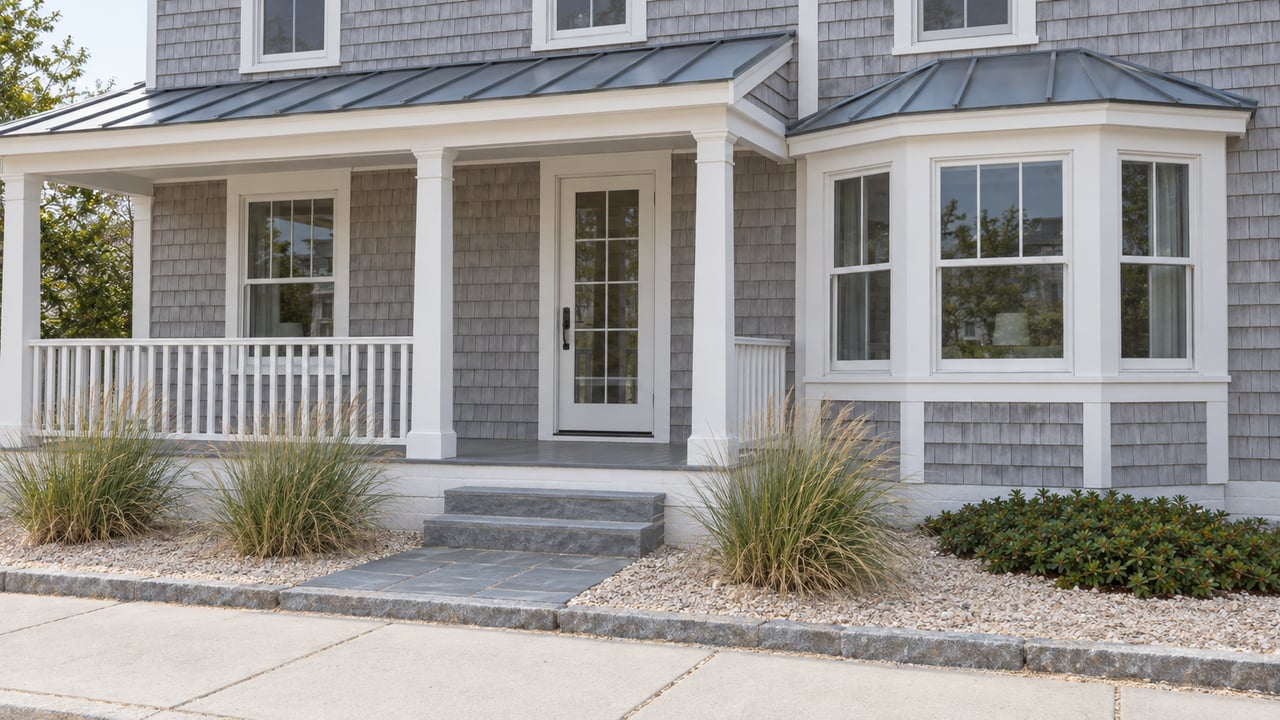
- Refresh landscaping: remove storm debris, trim hedges, add fresh mulch, and use potted plants near entries. If your property interfaces with dunes or bulkheads, organize documentation of recent work or municipal coordination.
Days 40–20: Interior updates and deep clean
- Handle flooring repairs or refinishing before painting.
- Repaint in neutral tones to brighten and unify spaces.
- Do light kitchen and bath updates: new hardware, modern lighting, fresh caulk and grout, and corrosion‑resistant fixtures.
- Deep clean windows, carpets, and light fixtures. Consider a termite inspection and treatment if needed.
Days 20–7: Staging, photos, and marketing prep
- Book a stager and photographer. Aim to install staging 3–7 days before photos.
- Prepare floor plans and your property description. Gather disclosures and documents for the listing packet.
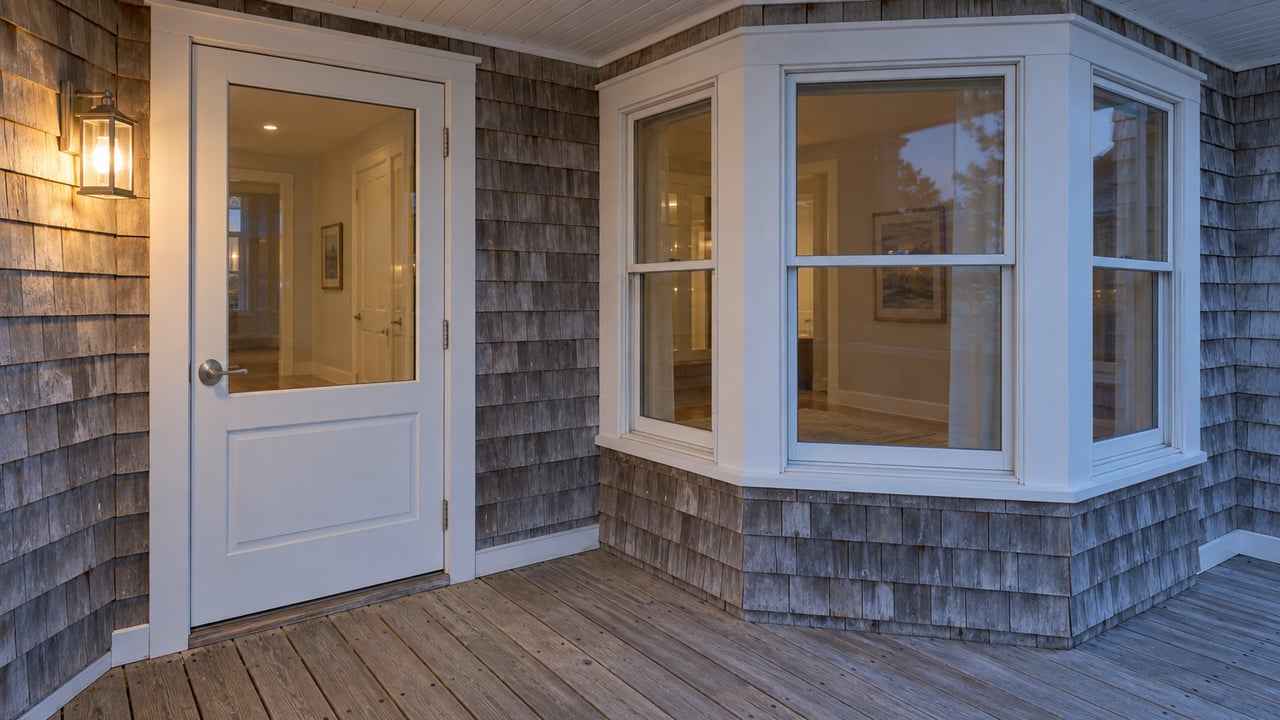
- Consider drone and twilight shots to showcase beach proximity and lifestyle, and verify airspace rules and local restrictions before scheduling.
- Do a final walkthrough with your agent to set list price, finalize remarks, and confirm showing instructions.
Days 7–0: Final touches and launch
- Declutter, depersonalize, and organize closets. Remove excess items.
- Stage a light refresh with clean towels and fresh flowers.
- Complete professional photos, 3D tour, and floor plan capture.
- Review marketing materials, then launch your listing and schedule open houses.
Coastal prep that buyers look for
Ship Bottom buyers focus on safety, insurability, and durability. Address these early to build trust.
- Flood zone and elevation: Confirm your flood zone and provide an elevation certificate if available.
- Roof, shutters, and wind resilience: Share service history and verify shutter operation.
- Moisture control: Dehumidifiers, bathroom ventilation, and clean dryer vents show good maintenance.
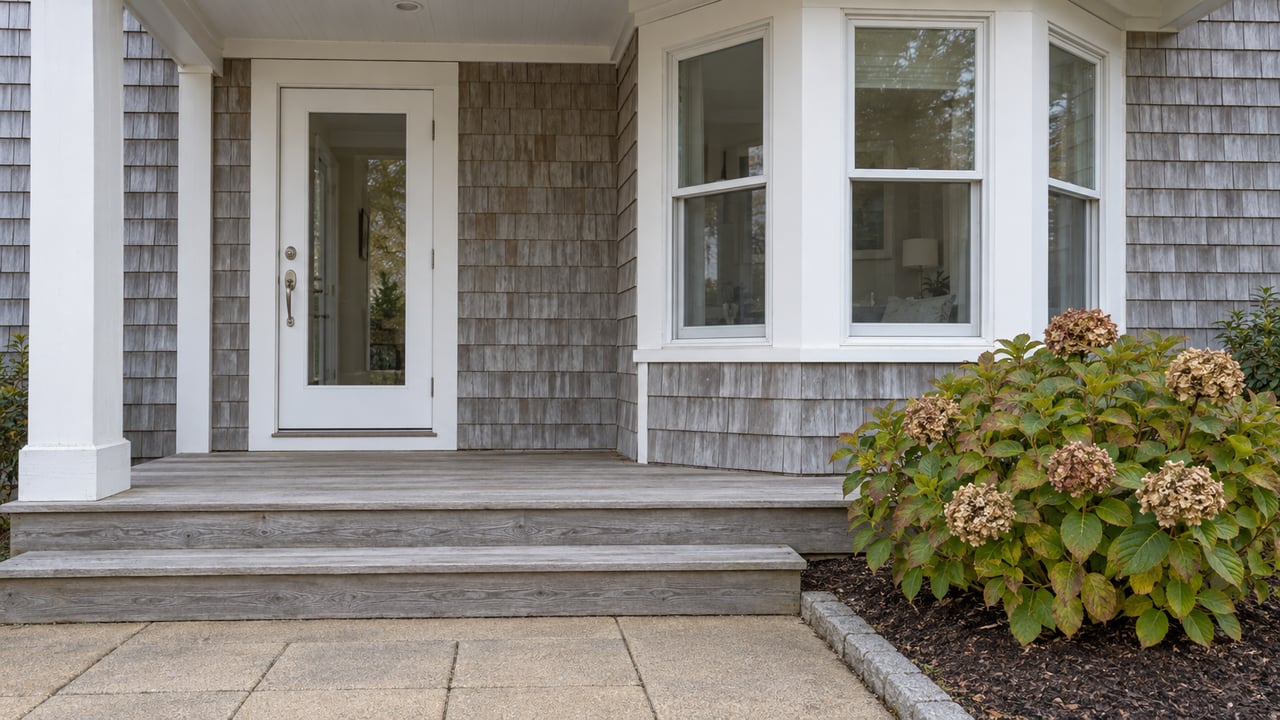
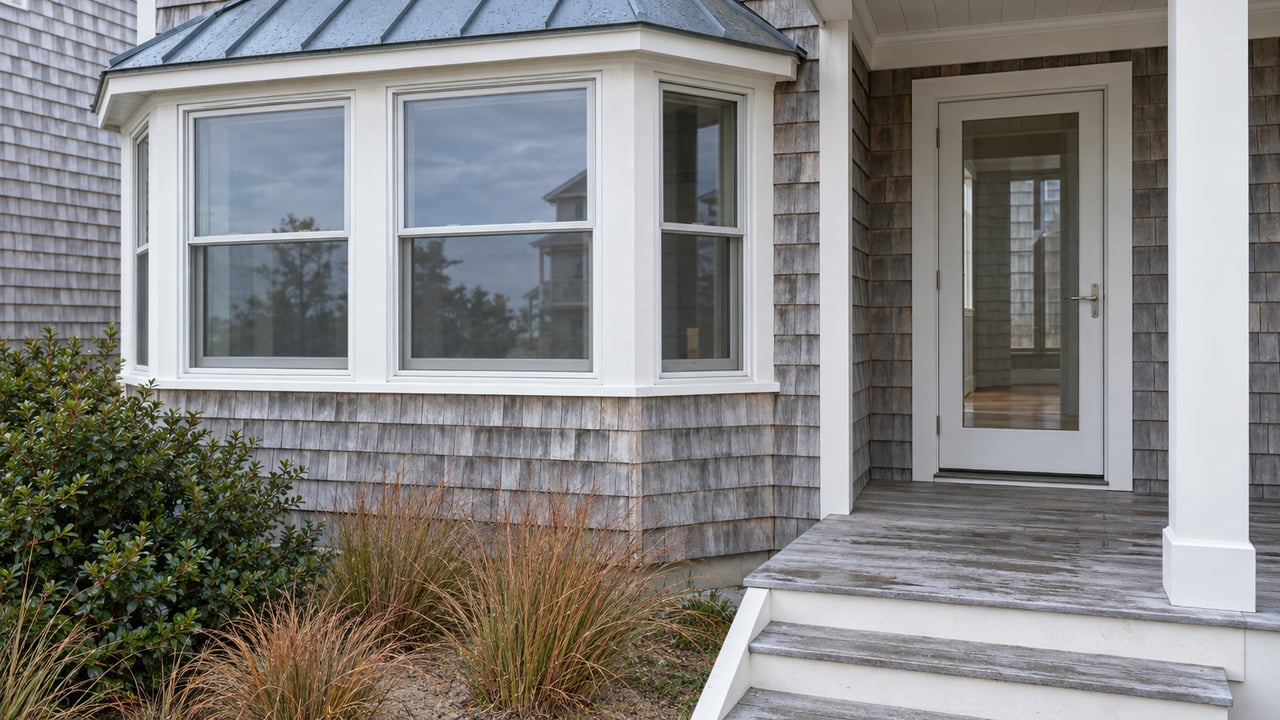
- Exterior condition: Remove rust stains, replace corroded railings and hardware, and refresh siding.
- Windows and sliders: Check weathertight seals and locks for smooth function.
- Termite and wood rot: Document any inspections and treatments.
Documents to assemble now
Organize a simple digital folder so buyers and lenders get answers fast.
- Deed and recent survey
- Elevation certificate
- Past permits for renovations and repairs
- Insurance history and current premiums
- Septic pump or inspection records, or sewer connection documentation
- HOA or municipal rules and assessments if applicable
- Maintenance records for HVAC, roofing, painting, decks, bulkheads or dunes
- Utility bills for the past 12 months
- System and appliance warranties
- Any required local certifications
Confirm New Jersey seller disclosure obligations and your town’s requirements with your agent or attorney so you comply without delays.
Pricing strategy for Ship Bottom
Price against very local comparables and adjust for flood zone, elevation, bulkhead or dune condition, and true living area. Properties that need insurance or structural work often trade at a discount, so targeted pre‑listing repairs can widen your buyer pool and justify stronger pricing.
You can capture a seasonal premium by timing for buyers seeking summer occupancy. Discuss whether a “coming soon” approach fits your strategy. It can help with pre‑market buzz in some cases, but it may also reduce the impact of your first full market day. Small price thresholds matter because coastal buyers filter by specific budgets.
Marketing that moves coastal buyers
- Professional photos with twilight exteriors to highlight light, water, and proximity.
- 3D tours or guided video for out‑of‑area buyers who cannot attend right away.
- Clear floor plans and room dimensions so layout is easy to grasp.
- Drone imagery, where permitted, to frame beach access and neighborhood context.
- Upfront disclosures such as elevation certificates and service records to minimize friction.
- Staging that emphasizes light, airflow, and outdoor living areas.
Coordinate the first showing window and consider reviewing offers after several days to give motivated buyers a chance to visit. Align this step with your goals and timing.
Your pre‑listing walkthrough with Roberta
A focused 45–60 minute on‑site meeting gives you a personalized, coastal‑specific plan.
- What to prepare: recent survey, permits, insurance information, a list of repairs or upgrades, and access to attic, crawlspace, and mechanicals.
- What you get: a prioritized task list that separates safety or structural items from cosmetic updates and staging, recommended local vendors with lead times, a photo and staging schedule, and an initial pricing range and marketing timeline.
- When to book: 60–90 days before your target list date so you can schedule contractors and hit spring timing.
Recommended lead times to keep your launch on track
- Roofs, decks, structural work, and permits can take weeks to months depending on scope and backlogs.
- Exterior painting and deck work are weather dependent, especially after winter storms.
- Stagers need 1–2 weeks’ notice during spring. Photographers often book 1–2 weeks out.
- Plan cleanings and touchups within 48–72 hours of photography to preserve presentation.
Useful resources for coastal sellers
- Check your flood zone and learn about elevation certificates with the FEMA Flood Map Service Center and flood insurance basics.
- Review coastal flood context and tide trends from the National Weather Service’s coastal flooding page.
- For permits and coastal work guidance, see NJDEP coastal zone and permitting.
- For local rules on dunes, beaches, and permits, visit the Borough of Ship Bottom.
- For photography best practices and safety, confirm FAA drone rules before booking aerials.
- For national staging insights, browse NAR’s home staging research.
Printable 60–90 day checklist
A. Before you start (90–75 days)
- Schedule pre‑listing walkthrough with your agent
- Gather survey, elevation certificate, permits, insurance history, septic records
- Consider a pre‑listing home inspection
B. Major work (75–40 days)
- Schedule roofer and structural contractor if needed
- Service HVAC and save documentation
- Complete plumbing and electrical safety fixes
- Pump or inspect septic if applicable
- Apply for permits for major work
C. Exterior and resilience (60–20 days)
- Power wash siding and decks; treat corrosion
- Repair or replace deck railings and stairs
- Touch up or paint exterior
- Verify hurricane shutters and hardware
- Clean landscaping; replace damaged plants
D. Interior and finishing (40–10 days)
- Repair or refinish flooring
- Paint interiors in a neutral palette
- Update kitchen and bath hardware and lighting; re‑caulk and re‑grout
- Deep clean windows, carpets, and fixtures
- Termite inspection and treatment if needed
E. Staging and marketing (20–0 days)
- Book stager and photographer
- Install staging 3–7 days before photos
- Schedule photos, drone if permitted, twilight shots, and 3D tour
- Prepare listing packet with disclosures, inspection summary, elevation certificate, warranties, and HOA docs if any
- Declutter and depersonalize
F. Day of photography and launch
- Final clean and staging refresh
- Test all lights; make beds; stage towels
- Provide clear access instructions for showings
- Launch listing and schedule open houses
G. Documents to provide buyers
- Deed and survey
- Elevation certificate
- Permits and any needed certificates
- HVAC and service receipts; appliance manuals
- Insurance loss history and current premiums
- Septic records or sewer connection documents
- HOA documents and recent minutes if applicable
Ready to make a confident spring debut? Schedule a pre‑listing walkthrough and get a tailored 60–90 day plan from Roberta Brackman.
FAQs
What timing is best to list a Ship Bottom home for summer buyers?
- Late winter through spring typically captures buyers planning for summer occupancy, so prepare 60–90 days ahead to align with that window.
What documents should I gather for a coastal listing?
- Start with your survey, elevation certificate, past permits, insurance history, septic or sewer records, warranties, HOA docs if any, maintenance logs, and 12 months of utility bills.
Why do buyers ask for an elevation certificate on LBI?
- It verifies building elevation relative to Base Flood Elevation and can affect flood insurance and lending; having it ready increases buyer confidence.
Do I need to repair corroded railings and hardware before listing?
- Yes, visible corrosion is a common buyer concern in coastal areas and quick fixes often improve perceived condition and value.
Should I do a pre‑listing inspection in Ship Bottom?
- It is optional but helpful for surfacing safety or structural items early, allowing you to plan repairs and reduce surprises during negotiations.
Can I use drone photos for my listing near the beach?
- Often yes, but you must follow FAA rules and any local restrictions, so confirm compliance before booking aerial photography.
How does flood insurance affect my sale?
- Premiums impact buyer affordability and lender requirements, so share your flood zone, elevation certificate, and recent premium history to streamline underwriting.