Thinking about buying your first home in Surf City? It is easy to fall for the beach lifestyle first and sort out the details later, but this is one shore market where expectations matter early. If you understand pricing, property types, flood rules, and resale requirements before you start touring, you can make smarter decisions and avoid expensive surprises. Let’s dive in.
Surf City price expectations
If you are coming from a mainland market, Surf City can feel like a jump. According to New Jersey Treasury 2024 residential sales statistics, the average sale price in Surf City was $1,759,170.56 across 41 sales, with an average tax bill of $9,464. That puts Surf City firmly in the higher-value Long Beach Island market.
For first-time shore buyers, the biggest takeaway is that price can move fast based on location, views, and condition. Public listing examples show new construction around $1.25 million to $3.399 million, bayside homes around $1.4 million, and oceanfront properties with values above $4 million. Those are not a formal pricing guide, but they do help set realistic expectations before you begin your search.
Where Surf City fits on LBI
Surf City often appeals to buyers who want a balance between lifestyle and convenience. Based on 2024 New Jersey Treasury data, Surf City sits above Ship Bottom and Beach Haven in average sale price, but below Harvey Cedars and Long Beach Township. In simple terms, it tends to land in the middle-upper range of Long Beach Island.
That matters if you are comparing towns and trying to stretch your budget wisely. You may find Surf City offers an entry point that feels more attainable than some luxury-heavy LBI areas, while still giving you access to the shore ownership experience many buyers want.
What homes look like in Surf City
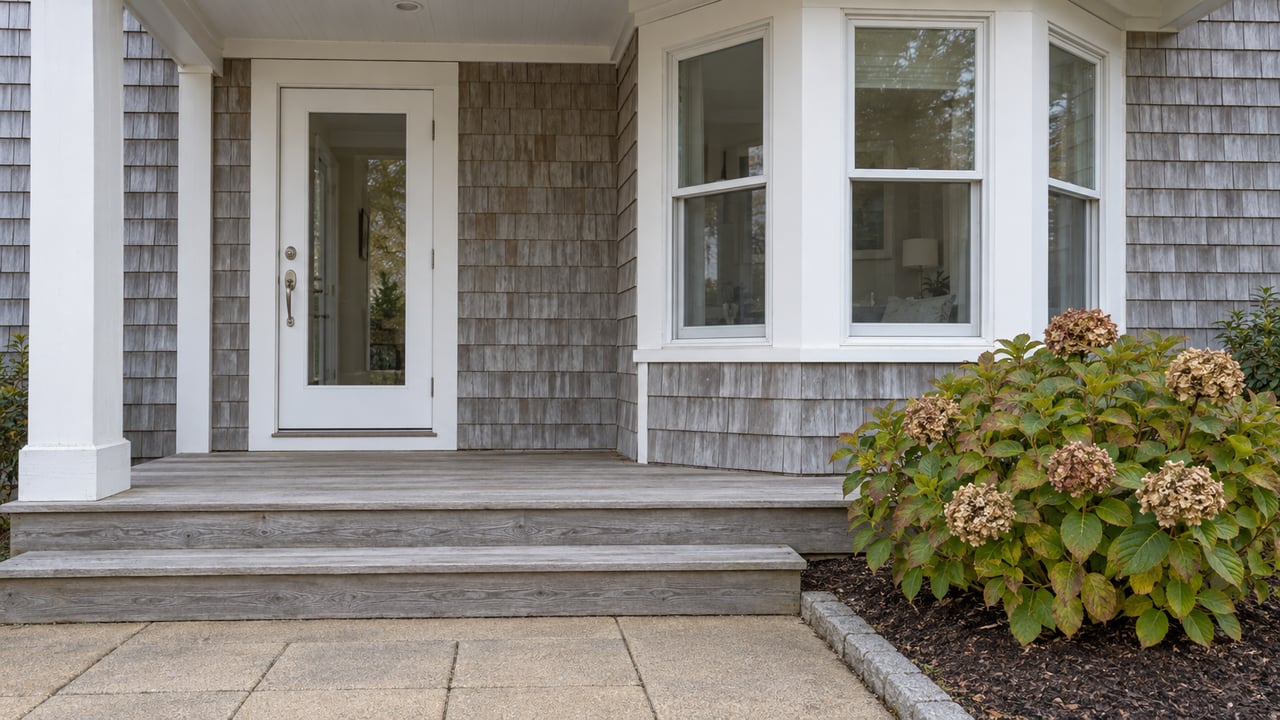
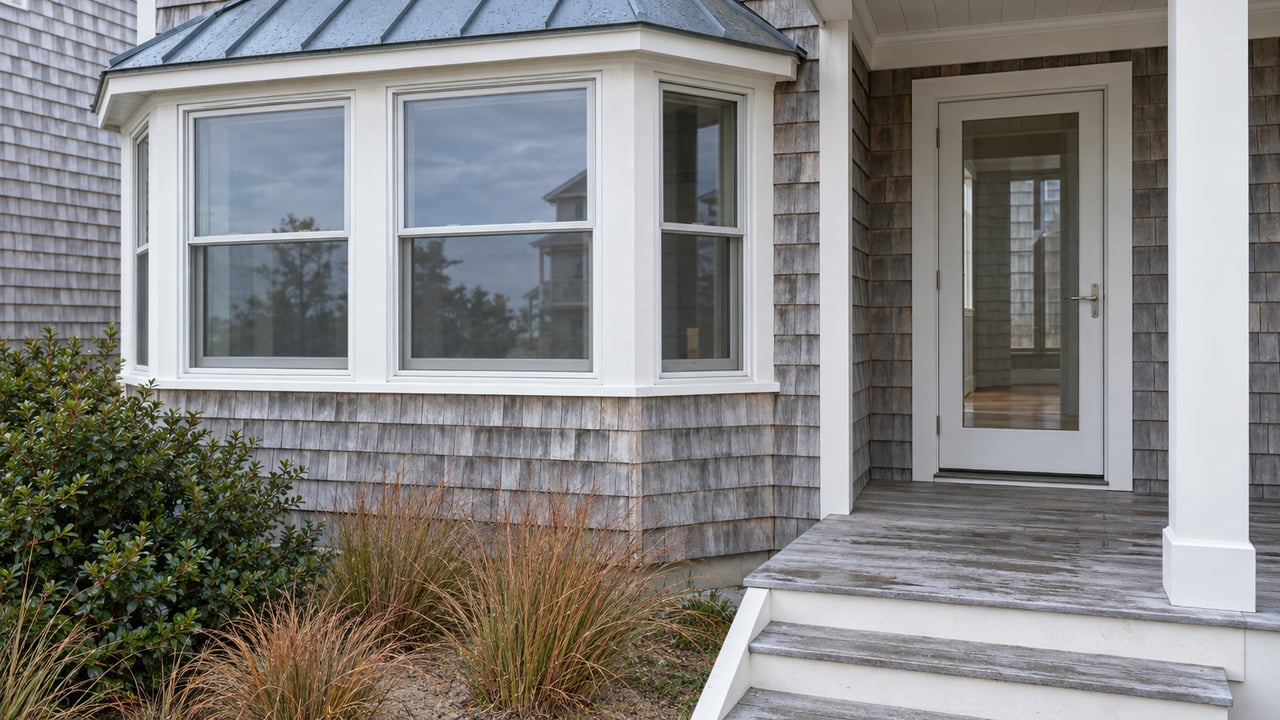
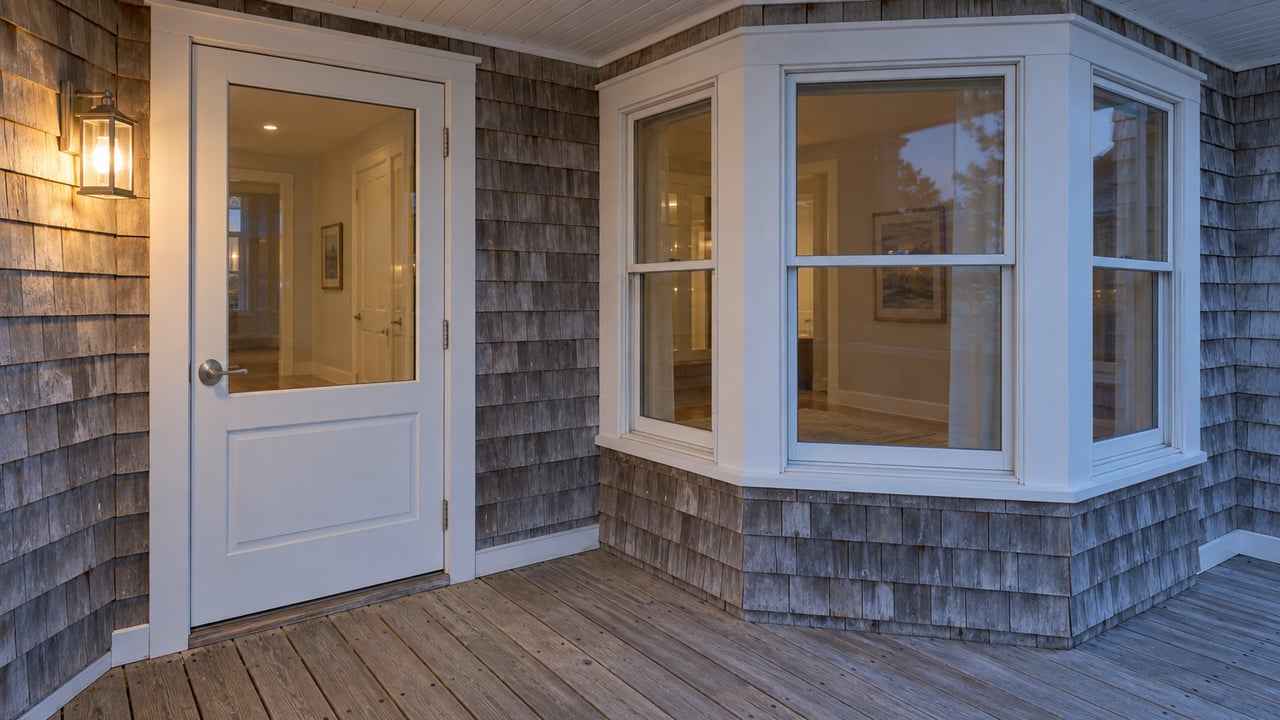
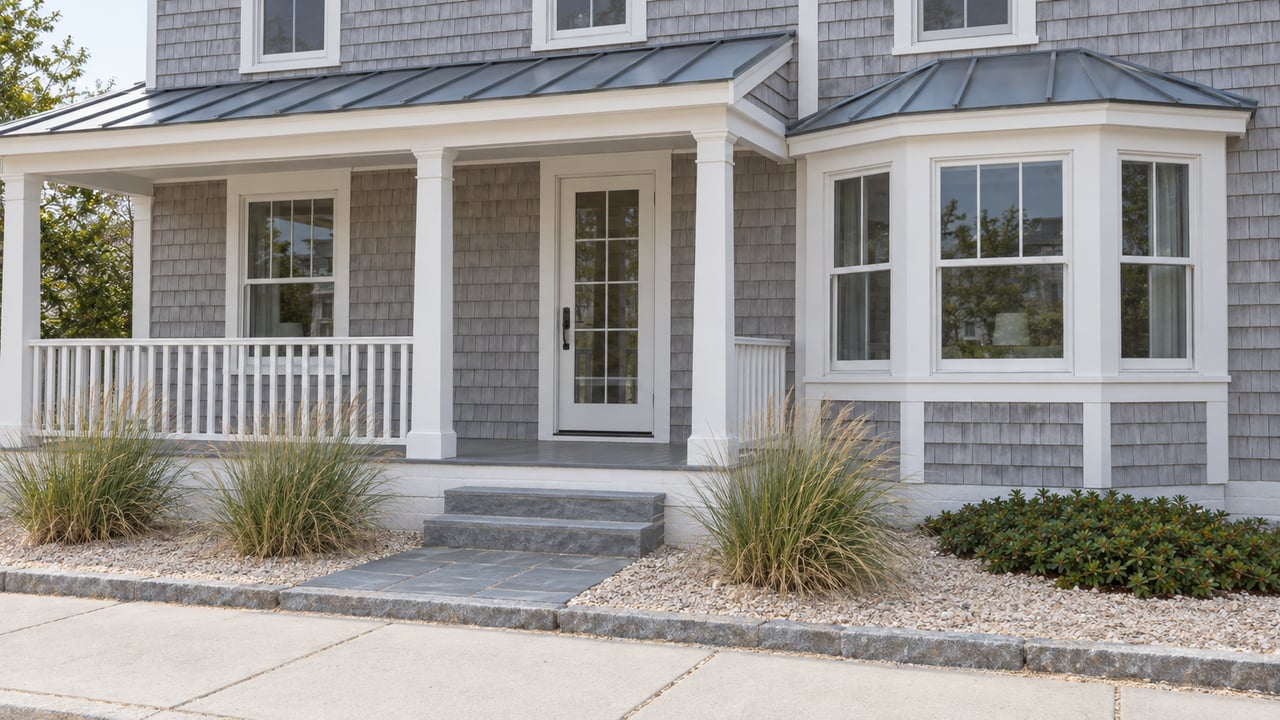
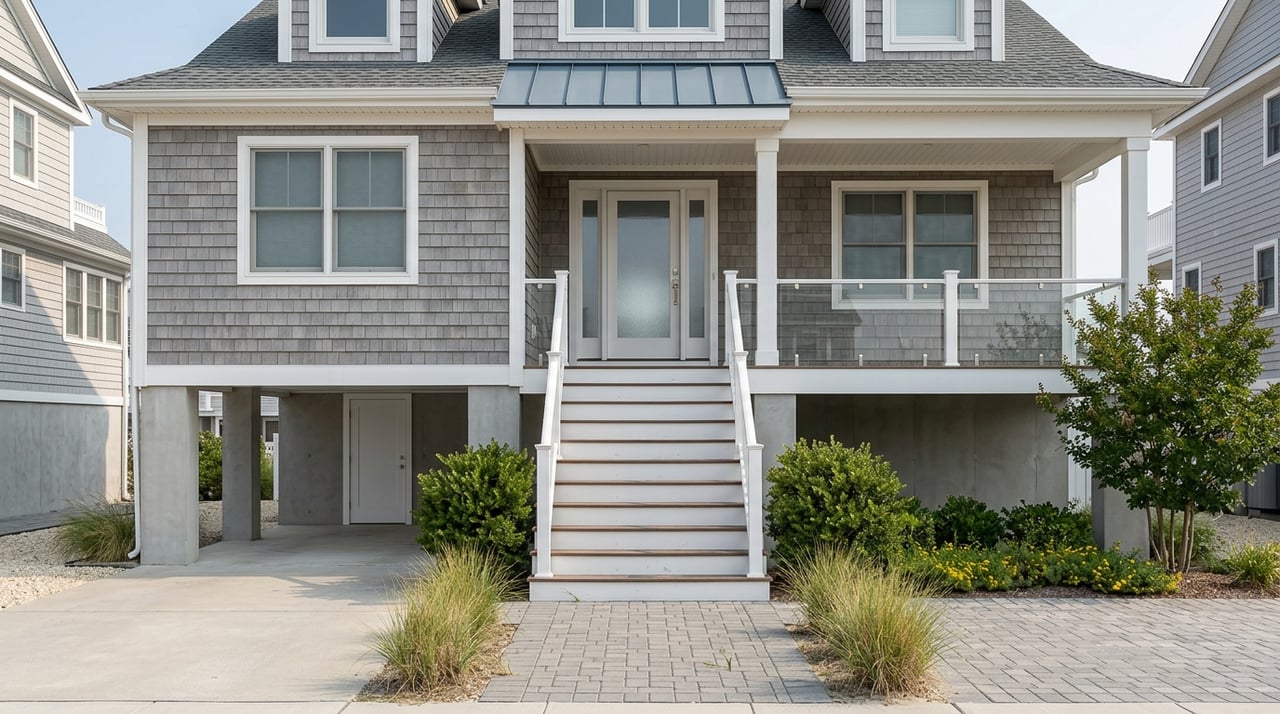
Most first-time buyers in Surf City will be shopping for detached beach houses. Current public listings are still dominated by single-family homes, with very limited duplex or triplex inventory and almost no true condo inventory in Surf City proper. That means your search may be more about choosing the right house and location rather than picking between many housing formats.
This also lines up with local zoning. In the RA Residential Zone, single-family homes and two-family detached duplex dwellings are allowed, while the Business Zone along Long Beach Boulevard can support mixed-use and multifamily forms. For buyers, that usually means the housing stock feels more house-oriented than condo-oriented.
Common location patterns
Where a home sits in Surf City can shape both price and day-to-day use. Public listing examples suggest a few broad patterns:
- Bayside or bay-adjacent homes often appear around $1.4 million to $2.8 million+
- Mid-island or inland homes often appear around $1.7 million to $3.4 million
- Oceanfront or ocean-block homes can move into the $4.1 million to $5.3 million+ range
These examples are directional, but they are useful when you are deciding what trade-offs matter most to you. A first-time buyer may need to choose between a closer beach location, newer finishes, more outdoor space, or a lower overall price point.
Flood zone reality comes first
One of the biggest differences between buying inland and buying in Surf City is flood planning. Surf City states that the borough is located in the 100-year floodplain and is entirely within a FEMA Special Flood Hazard Area. That makes flood awareness part of the basic buying process, not an extra step.
The borough keeps elevation certificates on file and encourages buyers to review FEMA flood maps. It also notes that flood insurance generally has a 30-day waiting period before coverage takes effect. If you are under contract, this is the kind of detail you want to understand as early as possible.
What to look at before you buy
A first-time shore buyer should pay close attention to the property’s elevation and improvement history. New construction and substantial improvements are subject to Surf City’s Flood Control Ordinance, including rules about elevating HVAC systems, water heaters, and other mechanical equipment.
As you evaluate a home, ask questions that help you understand how the property has been adapted for coastal conditions, such as:
- Is an elevation certificate available?
- Have major systems been elevated as required for improvements?
- Were past updates completed with permits and final sign-off?
- Are there any flood-related compliance items still outstanding?
These questions can help you compare homes beyond surface finishes and staging.
Permits and resale compliance matter here
In Surf City, resale paperwork can be more involved than many first-time buyers expect. The borough’s resale certificate process checks smoke and carbon monoxide detectors, permit sign-off, flood elevation paperwork, survey documents, and curb compliance before closing. That means a home that looks move-in ready still may have municipal items that need attention.
The zoning office also handles permits for new dwellings and improvements such as additions, fences, pools, fire pits, and storage PODs. If a home has had visible upgrades over time, it is wise to confirm they were properly permitted and closed out. In a shore town, this step can save you time, stress, and money later.
Road and curb details to know
Some homes come with location-specific permit issues that are easy to miss. Surf City notes that properties on Long Beach Boulevard, Central Boulevard, or North 9th Street need an Ocean County road opening permit before a curb permit is issued.
You may never need that permit yourself right away, but it is a good example of why local process matters in this market. First-time shore buyers benefit from knowing that not every improvement follows the same path as it would in a typical suburban town.
Renting your Surf City home
Many first-time buyers at the shore think about offsetting costs with seasonal rentals, even if personal use is the main goal. If that is part of your plan, Surf City has rules you should know before you buy. The borough requires annual proof of liability insurance for property and business owners renting their building or dwelling, and certain owners must carry at least $500,000 in liability coverage.
This is one reason it helps to think about ownership goals early. A home that works well for your personal use may not be the best fit for a rental plan, and a rental-friendly strategy needs to account for compliance, insurance, and how you intend to manage the property.
Everyday ownership details buyers overlook
Shore ownership comes with small practical details that are easy to underestimate when you are focused on location and views. Surf City asks owners to winterize their homes, and local beach use is regulated through beach badge requirements and fees. These may seem minor compared with a purchase price, but they are part of the real rhythm of owning here.
The borough code requires a beach badge for anyone over age 11, with an exemption for people age 65 and older. The council also adopted an ordinance in 2025 increasing beach badge fees. For buyers planning extended summer use, it helps to know these local rules are part of the ownership picture.
Year-round use and local services
If you plan to use the home beyond peak summer months, it helps to understand the basics of local infrastructure and public services. Surf City’s municipal resources center on owner concerns like beaches, flood resources, zoning, tax collection, and water and sewer service. That tells you a lot about what matters most in day-to-day ownership here.
For households with younger students, Surf City is part of the Long Beach Island Consolidated School District for grades PK-6, and the district office is located in Surf City. This is a factual part of the town profile that can be helpful if you are considering year-round or extended seasonal use.
What first-time shore buyers should expect
Buying in Surf City usually means adjusting your expectations in three ways. First, the price of entry is higher than many inland buyers expect. Second, home selection is heavily weighted toward detached beach houses rather than condos. Third, municipal, flood, and rental-related details play a much bigger role in the transaction.
That may sound like a lot, but it is also why local guidance matters. When you understand the rules, the inventory, and the trade-offs between location, condition, and future use, Surf City becomes much easier to navigate with confidence.
If you are considering your first shore purchase, the best next step is to get clear on your budget, intended use, and must-have location priorities before you tour. Surf City can be a smart fit for buyers who want a practical Long Beach Island foothold with strong lifestyle appeal and a market position between value-oriented and luxury-heavy LBI towns.
If you want experienced, local guidance as you compare Surf City homes and weigh rental potential, ownership costs, and location trade-offs, connect with Roberta Brackman for a personalized consultation.
FAQs
What is the average home price in Surf City for first-time shore buyers?
- According to 2024 New Jersey Treasury data, the average sale price in Surf City was $1,759,170.56, though actual asking prices vary widely by location, condition, and proximity to the beach or bay.
What types of homes are most common in Surf City?
- Surf City listings are mostly detached single-family beach houses, with limited duplex inventory and very little condo inventory in Surf City proper.
Is Surf City in a flood zone?
- Yes. Surf City states that the entire borough is within a FEMA Special Flood Hazard Area and located in the 100-year floodplain, so flood maps, elevation certificates, and insurance timing are important parts of the buying process.
What does Surf City check before closing on a resale home?
- The borough’s resale certificate process checks items such as smoke and carbon monoxide detectors, permit sign-off, flood elevation paperwork, survey documents, and curb compliance.
Can you rent out a home in Surf City after you buy it?
- Yes, but Surf City requires annual proof of liability insurance for property and business owners renting their building or dwelling, and certain owners must carry at least $500,000 in liability coverage.
How does Surf City compare with other Long Beach Island towns?
- Based on 2024 New Jersey Treasury data, Surf City’s average sale price is higher than Ship Bottom and Beach Haven, but lower than Harvey Cedars and Long Beach Township, which makes it a middle-upper price point on LBI.