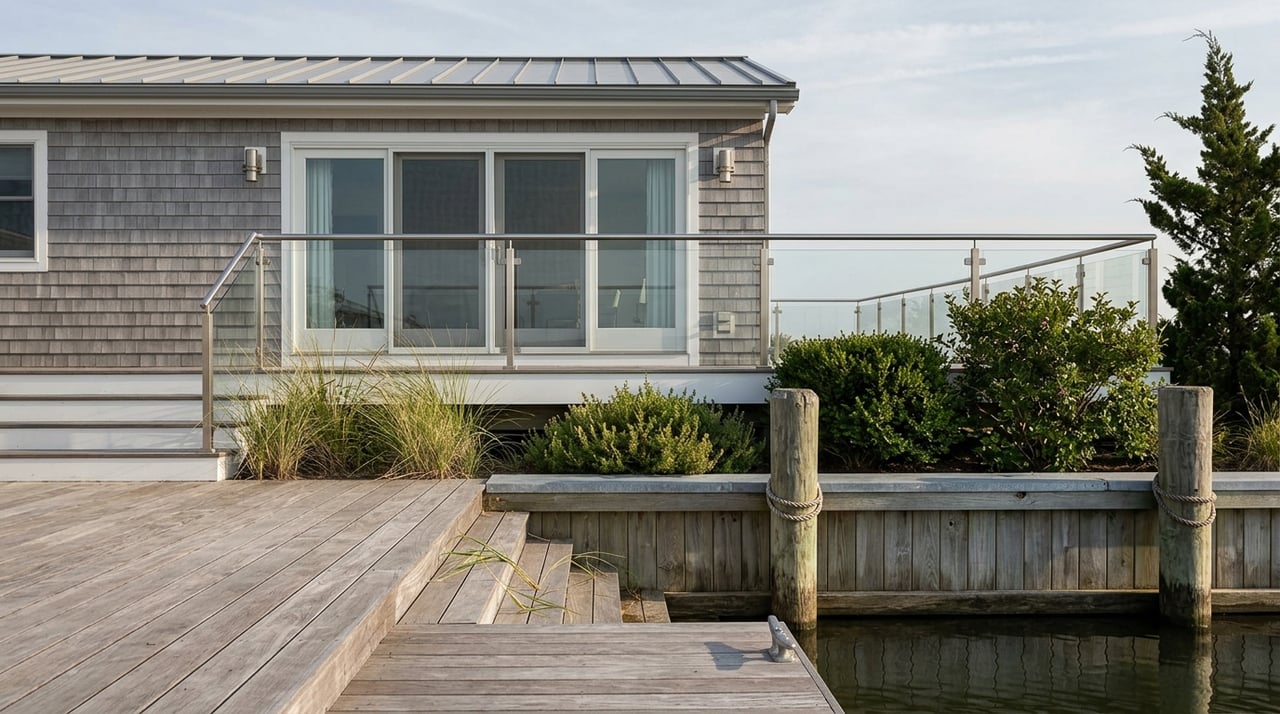
Choosing between bayfront and oceanside in Harvey Cedars is not just about which view you like better. It is about how you want to spend your time, what kind of access matters most, and how comfortable you are with the realities of coastal ownership. If you are weighing both sides of town, this guide will help you compare lifestyle, access, flood considerations, and day-to-day tradeoffs so you can make a smarter Long Beach Island decision. Let’s dive in.
Harvey Cedars: Two Water Experiences
Harvey Cedars sits on Long Beach Island with the Atlantic Ocean on one side and Barnegat Bay on the other. That gives you two very different living experiences in one small borough.
Locally, oceanside generally means the streets closer to the Atlantic and east of Long Beach Boulevard. Bayfront refers to the west-facing back-bay side of town, where the setting is typically calmer and more tied to boating and bay use.
Bayfront vs. Oceanside at a Glance
If you are deciding quickly, the simplest way to frame it is this: bayfront is usually about calm water and sunset living, while oceanside is usually about beach access and surf-side convenience.
In Harvey Cedars, that choice also carries practical differences. The borough notes that the oceanside dune area is roughly 16 to 20 feet above mean sea level, while the bayside is roughly 3 to 4 feet above mean sea level. That means your decision is also tied to flood exposure, insurance considerations, and long-term property maintenance.
Why Buyers Choose Bayfront
Bayfront lifestyle in Harvey Cedars
Many buyers are drawn to bayfront homes because the back-bay side feels quieter and more water-oriented in a different way than the ocean side. If you picture paddleboarding, boating, dock access, or evenings watching the sunset, bayfront may line up more naturally with how you want to use the home.
The borough’s zoning framework also reflects Harvey Cedars’ connection to bay use. It includes a Marine Commercial District that permits dockage and other marine-related activity, which supports the idea that the bay side is closely tied to boating life.
Bayfront scenery and pace
The bay side offers a calmer water setting than the ocean. The borough also describes bayside wetlands as important for filtering runoff and supporting fish and wildlife, which adds to the natural character many buyers appreciate.
If you want a setting that feels a little more relaxed and reflective, bayfront often checks that box. For many buyers, the appeal is less about beach crowds and more about water views, sunsets, and a slower rhythm.
Bayfront tradeoffs to understand
The biggest tradeoff on the bay side is flood exposure. According to the borough, low-lying bayside sections may experience severe flood damage, especially in older homes built at or near ground level.
That matters if you plan to renovate or improve a property. Harvey Cedars says that if repair, reconstruction, or improvement reaches 50 percent of replacement cost, the entire structure must comply with FEMA flood regulations and may need to be raised so the first floor sits one foot above base flood elevation. Before major work, the borough directs owners to contact the Building Official or Zoning Officer for flood-regulation and map determinations.
Why Buyers Choose Oceanside
Oceanside lifestyle in Harvey Cedars
If your ideal day starts with a beach walk and ends with sand still on your shoes, oceanside living may be the better fit. Buyers on this side are usually prioritizing direct Atlantic access, easier beach routines, and a more immediate connection to Harvey Cedars’ surf-and-sand lifestyle.
The borough identifies several guarded ocean beach locations, including 86th, 83rd, 80th, 76th, 73rd, and 69th Streets, along with Middlesex Avenue, Atlantic Avenue, Hudson Avenue, Cape May Avenue, Cumberland, and Bergen south. There is also a bay beach at West 75th Street.
Beach access and guest convenience
For many second-home buyers, convenience matters as much as the view. Being closer to the ocean can make a big difference when you are carrying chairs, managing weekend guests, or trying to make the most of a short stay.
Harvey Cedars also offers accessibility features that may matter to you or your visitors. The borough has handicap-access ramps to the ocean beach at East 80th Street and East Mercer Avenue, and its beach-access program offers beach wheelchairs and UTV transport at no charge for eligible users.
Oceanside activity and upkeep
The tradeoff on the oceanside is not just price or demand. It can also mean more seasonal pedestrian activity, since the borough notes that streets east of the boulevard carry considerable foot traffic to and from the beach.
There is also a strong focus on dune protection. Harvey Cedars encourages dune restoration and dune grass planting, provides free dune grass plantings to oceanfront owners each fall, and prohibits crossing dunes except over approved walkways. If you buy oceanside, protecting that dune system becomes part of responsible ownership.
Flood Risk Matters More Than the Label
One of the biggest mistakes buyers make is assuming bayfront or oceanside tells the full story. In Harvey Cedars, the better question is often about the specific address, not just the side of town.
Both sides of the borough are shaped by coastal rules, elevation issues, and property-specific conditions. The most useful due diligence usually includes the flood zone, elevation certificate, insurance cost, and any permit implications tied to the home you are considering.
For residential structures in flood hazard areas, elevation standards can affect both current use and future renovation plans. That is why two homes with similar views can carry very different ownership costs and project options.
Housing Style and What to Expect
Harvey Cedars zoning is primarily structured around detached residential development. In practical terms, that means much of the inventory on both the bayfront and oceanside consists of single-family coastal homes shaped more by lot size, setbacks, and elevation needs than by major differences in housing type.
The borough’s zoning standards include one principal dwelling per lot and a minimum 720-square-foot first floor for new single-family buildings. For you as a buyer, that reinforces an important point: the comparison is often less about building category and more about location, design, elevation, and how the home supports your intended use.
Questions to Help You Decide Faster
If you are still torn, a few questions can quickly point you in the right direction.
Choose bayfront if you value:
- Calmer water views
- Boating or dock-oriented living
- Paddleboarding and back-bay recreation
- Sunset exposure
- A quieter-feeling waterfront setting
Choose oceanside if you value:
- Direct beach access
- Walkability to the Atlantic
- Sunrise and surf views
- Easier beach routines for family or guests
- A stronger day-to-day connection to beach life
Ask yourself these practical questions
- Do you want boating access more than quick beach access?
- Do you picture yourself using the bay more often or the beach more often?
- How important are beach logistics for family and visitors?
- Are you comfortable with the maintenance and rules tied to dunes or flood-prone areas?
- Will this be mainly a summer retreat, a weekend escape, or a property with rental potential in mind?
The Best Choice Depends on Your Island Goals
There is no universal winner between bayfront and oceanside in Harvey Cedars. The right choice depends on which water experience you want to live with every day and which ownership tradeoffs feel manageable for you.
If you want a calm, boating-focused setting with west-facing views, bayfront may feel like home. If you want direct Atlantic access and a more immediate beach lifestyle, oceanside may be the better match.
A smart Harvey Cedars decision comes down to matching the property to your lifestyle, budget, and long-term plans. That is where local guidance can make all the difference, especially when you are comparing specific homes, flood considerations, and how each location may fit your personal or seasonal goals.
If you want help comparing Harvey Cedars bayfront and oceanside options with a local, practical lens, connect with Roberta Brackman for a personalized consultation.
FAQs
What does oceanside mean in Harvey Cedars?
- In Harvey Cedars, oceanside generally means the area closer to the Atlantic and east of Long Beach Boulevard.
What does bayfront mean in Harvey Cedars?
- Bayfront refers to the west-facing back-bay side of town, where buyers often look for calmer water views and boating-oriented living.
Is bayfront or oceanside better for flood exposure in Harvey Cedars?
- The borough notes that the oceanside dune area is roughly 16 to 20 feet above mean sea level, while the bayside is roughly 3 to 4 feet above mean sea level, so flood exposure should be evaluated carefully for each specific property.
What should buyers check before buying a Harvey Cedars waterfront home?
- Buyers should review the specific home’s flood zone, elevation certificate, insurance cost, and any permit or improvement implications tied to the address.
Is oceanside living in Harvey Cedars better for beach access?
- Yes. Oceanside homes are generally chosen for easier Atlantic beach access, walkability, and a more direct beach-focused lifestyle.
Is bayfront living in Harvey Cedars better for boating?
- For many buyers, yes. The bay side is more closely associated with boating, dockage, and calmer-water recreation.
Are beach badges required in Harvey Cedars?
- Yes. The beach patrol states that beach badges are required on all beaches for anyone age 12 or older beginning June 15, 2026.
Are there accessible beach features in Harvey Cedars?
- Yes. Harvey Cedars has handicap-access ramps at East 80th Street and East Mercer Avenue, and the borough offers beach wheelchairs and UTV transport at no charge for eligible users.